


Our bodies need iron to function but it can’t make it on its own. We need to eat enough iron-rich foods to make sure our bodies can transport oxygen to cells, grow and keep up with hormone production. However, diet alone doesn't always cut it. Factors like being vegan or vegetarian, having a heavy menstrual cycle, being pregnant, having an underlying health condition or even being an endurance athlete can contribute to low iron and call for a dietary supplement. Based on our years of researching supplements and vitamins, we rounded up the best iron supplements for everyone.
Our Picks
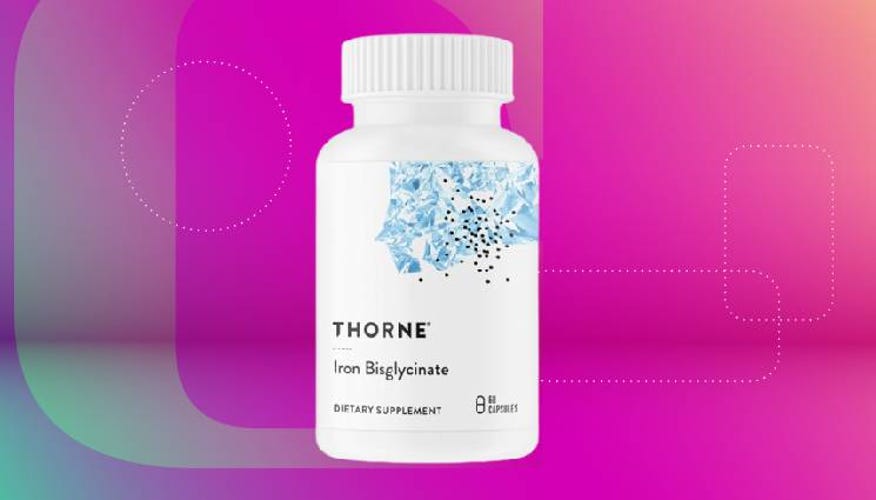
Why we chose it: Thorne is gaining momentum in the vitamin and supplement world because of its variety of products. It’s one of our favorite supplement brands because it’s recommended by doctors and has scientific research backing it up.
Pros
- Good middle of the road option
- NSF Certified for Sport
Cons
- There may be better options for vegans or people with specific health needs
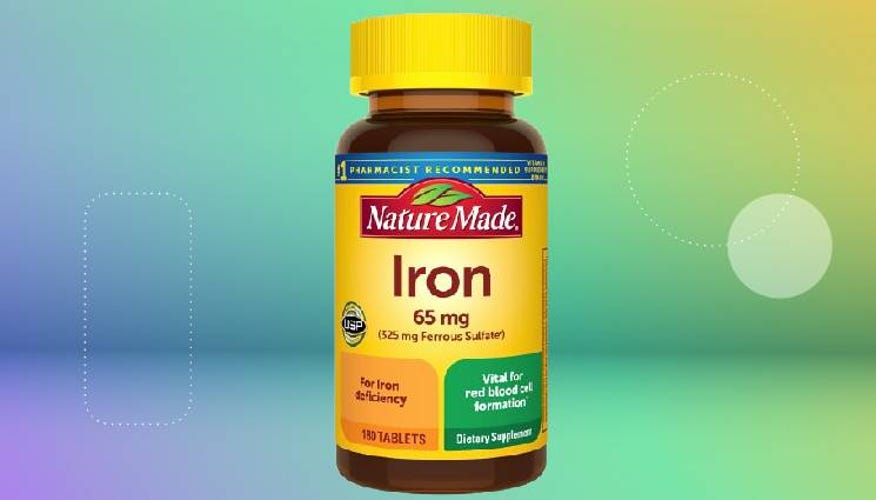
Why we chose it: Supplements can get expensive quickly. Nature Made offers an affordable iron supplement at a higher dose.
Pros
- Higher strength than many other over-the-counter iron supplements
- Well-known brand with USP Verified products
- Affordable
Cons
- Doesn't contain other vitamins or minerals
- Strength of supplement may be too much for some
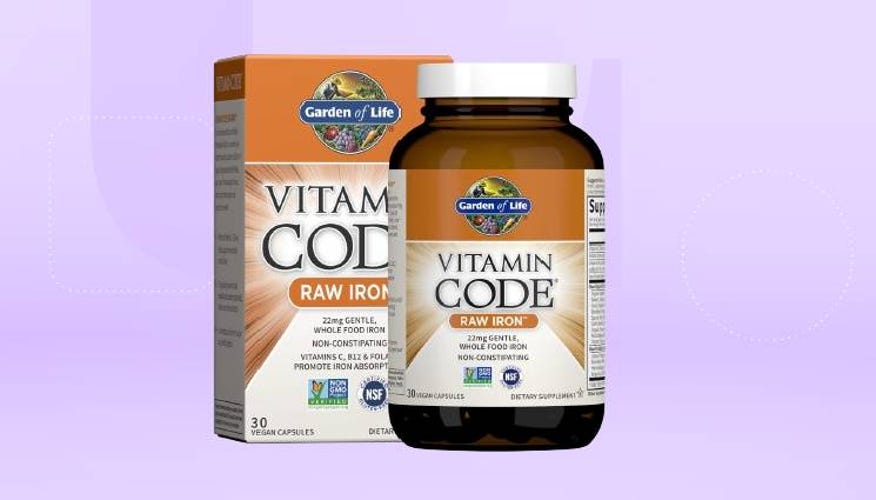
Why we chose it: Animal sources of iron are best absorbed by the body. However, they’re not the only supplementation option you have. Vegetarians and vegans should take note of Garden of Life’s Vitamin Code Raw Iron supplement.
Pros
- Contains B12 as well as iron
- Vegan
- Reputable supplement brand
Cons
- Amount of B12 included may be excessive for some
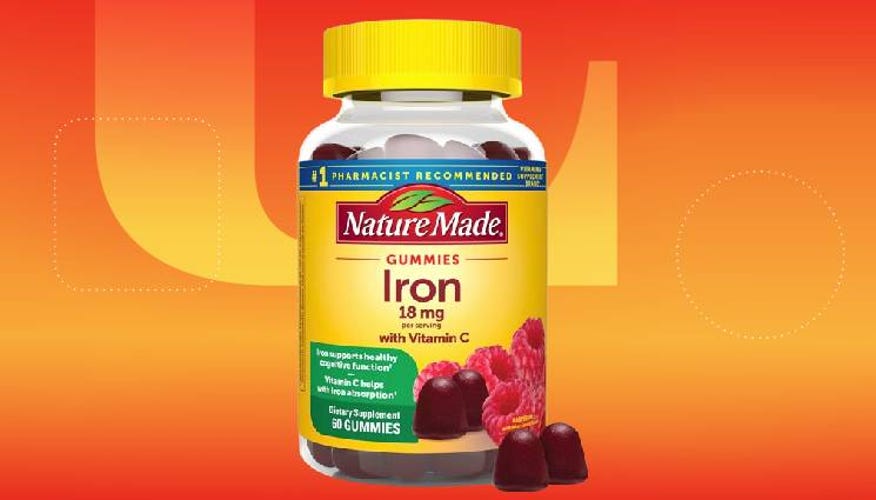
Why we chose it: If you have trouble swallowing pills, gummy iron supplements are also available. The best gummy iron supplement we found is from Nature Made. It has a lower dose per gummy than other supplements but it’s still affordable.
Pros
- Reputable vitamin company
- Gummy option
- Lower-dose iron may be preferred by some
- Contains vitamin C
Cons
- Serving size is two gummies
- People wanting a higher dose of iron will need to take multiple gummies
Best iron supplements for 2025

Pros
- Good middle of the road option
- NSF Certified for Sport
Cons
- There may be better options for vegans or people with specific health needs
Why we chose it: Thorne is gaining momentum in the vitamin and supplement world because of its variety of products. It’s one of our favorite supplement brands because it’s recommended by doctors and has scientific research backing it up.
Thorne's iron supplement contains ferrous bisglycinate (Ferrochel chelated iron), which is marketed as causing less digestive upset than other iron types. It’s also more bioavailable and doesn’t interfere with the absorption of other nutrients. At 25mg, it's a "good middle-of-the-road" option for people looking to supplement iron. It's also NSF Certified for Sport, making it a good choice for athletes as well as anyone who needs more iron.
This supplement does not include vitamin B12 or other nutrients vegans need and it doesn't include vitamin C for absorption like other supplements.

Pros
- Higher strength than many other over-the-counter iron supplements
- Well-known brand with USP Verified products
- Affordable
Cons
- Doesn't contain other vitamins or minerals
- Strength of supplement may be too much for some
Why we chose it: Supplements can get expensive quickly. Nature Made offers an affordable iron supplement at a higher dose.
If your iron levels are so low to qualify as iron-deficient anemia, chances are good your doctor will fill you a prescription for iron supplements that are strong enough to get your levels up. In other cases, or if you don’t have insurance, there are options on the market that are higher strength than average.
Nature Made is not only one of the most affordable iron supplements out there but it’s also one of the strongest with 65mg iron supplements (a conversion from 325 ferrous sulfates). Nature Made is a solid, approachable brand for all things supplements, as the company’s products are US Pharmacopeia verified. This means you know that the ingredients match what’s on the label.

Pros
- Contains B12 as well as iron
- Vegan
- Reputable supplement brand
Cons
- Amount of B12 included may be excessive for some
Why we chose it: Animal sources of iron are best absorbed by the body. However, they’re not the only supplementation option you have. Vegetarians and vegans should take note of Garden of Life’s Vitamin Code Raw Iron supplement.
Vegans often need B vitamins, particularly B12, so a vegan iron supplement that contains other essential nutrients is a logical choice.
The Garden of Life Vitamin Code Raw Iron supplement is vegan, contains 22mg of iron from brown rice chelate and a big dose of vitamin B12 (20,833% of the daily value) and some vitamin C for absorption. In general, Garden of Life is a highly rated supplement brand. However, not everyone may need vitamin B12 or be low in it so it's a good idea to check in with your doctor before choosing this supplement (or any).

Pros
- Reputable vitamin company
- Gummy option
- Lower-dose iron may be preferred by some
- Contains vitamin C
Cons
- Serving size is two gummies
- People wanting a higher dose of iron will need to take multiple gummies
Why we chose it: If you have trouble swallowing pills, gummy iron supplements are also available. The best gummy iron supplement we found is from Nature Made. It has a lower dose per gummy than other supplements but it’s still affordable.
Not everyone likes swallowing capsules; some may prefer a gummy vitamin that tastes okay and goes down the hatch easier. As a bonus, this gummy from Nature Made also contains vitamin C for easier absorption and has iron in the form of ferrous fumarate.
At 18mg of iron per dose -- which is two gummies per serving -- this supplement is on the lower-dose end and people with a deficiency may be better suited by another supplement.
Best iron supplements compared
| Supplement | Type of iron | Iron value in mg | No. of capsules | Price |
|---|---|---|---|---|
| Thorne | Ferrous bisglycinate (Ferrochel) | 25 | 60 | $14 |
| Nature Made | Ferrous sulfate | 65 | 365 | $11 |
| Garden of Life Vitamin Code | Brown rice chelate | 22 | 30 | $16 |
| Nature Made gummies | Ferrous fumarate | 18 | 60 | $18 |
How we chose the best iron supplements
We didn’t test any supplements on this list directly. Instead, we looked at iron supplement offerings from reputable brands that say they've conducted at least some outside testing or have outside certification. We also considered the type of iron different supplements contain, the amount, whether they contain other ingredients to help it absorb and the price.
Factors to consider before choosing an iron supplement
How low your iron levels are and your purposes for taking a supplement: It's a good idea to go get your blood drawn and get an accurate picture of your iron levels (and overall blood health) before you add in a dietary supplement. Depending on how low your iron is, your doctor may recommend their own iron supplement or pill, or make a specific recommendation on dose or other ingredients depending on your other needs.
Besides getting a blood draw, consider your own health history and lifestyle before choosing a supplement. If you have a history of anemia, for example, you may need a different supplement than someone who just recently became vegetarian and feels like they're not getting enough iron.
Whether you want your iron supplement to contain other nutrients: Some iron supplements are iron-only (and may be a stronger dose) while others contain iron but also other vitamins meant to aid in your body's absorption of iron.
Type of iron: Brands use different "types" of iron as the active ingredient or elemental iron. Ferrous sulfate, for example, is a conventional type of iron used in supplements. It may contain more elemental iron per mg but may also be more likely to cause stomach or digestive upset than other types.
Cost and supply of supplement: Your supplement will be of little use to you if it's too expensive. Consider the amount of capsules or daily doses of iron you're getting in a bottle in addition to comparing its ingredients.
Why do our bodies need iron?
Iron is a powerful mineral that plays a significant role in keeping us healthy. Specifically, iron is needed to make hemoglobin, a red blood cell protein that transfers oxygen to the tissues in the rest of the body. It is also involved in hormone production, neurological development and growth.
Being low in iron, or having iron-deficiency anemia, often causes symptoms like fatigue, shortness of breath, brittle nails and more. According to new research published in JAMA Network Open, nearly one in three US adults may have a form of iron deficiency.
Because our bodies don't produce iron, we need to consume it. The body best absorbs iron from animal sources, although that’s not the only way to get enough iron.
Natural sources of iron include:
- Beans and lentils
- Dried fruits
- Leafy greens
- Meat, fish and poultry
- Nuts and seeds
- Whole grains
How do you know if you need an iron supplement?
If you think you're low in iron or have symptoms of iron-deficiency anemia, the best thing to do is go to your primary care doctor and have it measured through a simple blood draw. Depending on what's found and the severity of the iron deficiency, your doctor may prescribe a high-dose supplement or a different treatment, or they may recommend you take an over-the-counter supplement.
The most common symptoms of iron-deficiency anemia are:
- Brittle nails or hair loss
- Chest pain
- Cold hands and feet
- Craving things that aren’t food, like ice
- Fatigue or lack of energy
- Feeling dizzy
- Frequent headaches
- General weakness you can’t explain
- Rapid heartbeat
- Restless legs
Even if an over-the-counter supplement is best for you, it's important to identify the cause of low iron so you can maintain good health. Most iron supplements are daily oral supplements. If you’ve been diagnosed with iron deficiency anemia, the typical treatment is a daily oral supplement for three months.
People who are most at risk of developing an iron deficiency include:
- Infants and children
- People who had a major surgery or injury
- People with conditions like gastrointestinal disorders, like Crohn’s disease or celiac disease
- Pregnant people or those who have recently given birth
- Those with heavy menstrual bleeding
- Those who have certain cancers, like colon cancer
Types of iron supplements
There are a few types of dietary iron supplements you should be aware of. Your doctor will help you determine the best iron supplement for your needs.
- Ferrous sulfate: This is the most common type of iron supplement that is prescribed. However, it’s known to cause gastrointestinal side effects like nausea.
- Ferrous gluconate: This iron supplement does the same thing as ferrous sulfate, though it will have less iron in each tablet.
- Ferrous fumarate: This type has a different chemical mix than the first two options. Ferrous fumarate is often used when someone has experienced side effects from ferrous sulfate and gluconate.
When choosing the form of your iron supplement, there isn’t one that works better. Many people prefer to take a pill, although if you have trouble swallowing, you may prefer a liquid form. Just be aware that liquid forms will be more complicated to control the dose, so it’s essential to be precise in measuring. A higher dose of iron, 45mg or more each day, increases your chances of experiencing gastrointestinal side effects.
Recommended daily dietary allowances for iron
The National Institutes of Health have provided clear dosage guidelines.
| Age | RDA for women | RDA for men |
|---|---|---|
| Birth to 6 months | 0.27 mg | 0.27 mg |
| 7-12 months | 11 mg | 11 mg |
| 1-3 years | 7 mg | 7 mg |
| 4-8 years | 10 mg | 10 mg |
| 9-13 years | 8 mg | 8 mg |
| 14-18 years | 15 mg | 11 mg |
| 19-50 years | 18 mg | 8 mg |
| 51+ years | 8 mg | 8 mg |
| Pregnancy | 27 mg | - |
| Lactation | 9 to 10 mg | - |
Men and women have different iron supplementation needs throughout life because of biological processes like menstruation, pregnancy and childbirth.
Iron supplement side effects
As with any supplement, it’s essential to be aware of the side effects and safety concerns before taking it. The best iron supplements can cause gastrointestinal side effects like diarrhea, constipation or nausea. It may even result in abdominal pain. Paying attention to the dose is essential because iron can be toxic in very high amounts. Only take how much your doctor prescribes to avoid side effects.
According to the National Institutes of Health, tolerable upper intake levels (the maximum intake you should take) for the best iron supplements are:
- 40mg/day for babies and kids
- 45mg/day for teens and adults
Your doctor will determine your exact dose.
Iron supplement tips
Unlike multivitamins, which most people can take without a second thought, there are a few considerations that you should keep in mind when starting one of the best iron supplements.
- If you’re iron-deficient, you should be taking an iron-specific supplement. Multivitamins, for example, contain specific nutrients that can inhibit iron absorption, like calcium. So be sure to check the label of your supplement to ensure you’re not sabotaging your progress.
- Experts recommend taking your iron supplement between meals. Pairing iron with food or drinks can also inhibit iron absorption. Milk, coffee and tea are some of the top drinks that can hinder your efforts.
- Eating vitamin C-rich foods like orange juice, tomatoes or citrus fruits can boost iron absorption.
Iron supplement FAQ
Should you take iron supplements with food?
Vitamin C promotes iron absorption so taking your daily supplement with orange juice or another vitamin C source like kiwi, berries or cauliflower may help your body process it. This may be especially important if your iron supplement is iron only and isn't fortified with vitamins, like in a multivitamin.
According to the Mayo Clinic, iron supplements may be best absorbed on an empty stomach, but since it can cause stomach or digestive upset, you may find it easier to take after a meal or with food. The Cleveland Clinic says to avoid taking iron supplements with milk, caffeine, antacids (Tums) or calcium supplements.
What’s the difference between low iron and anemia?
Anemia is a condition caused by a low number of red blood cells and there are different types. Iron-deficiency anemia is the most common type of anemia, according to the Cleveland Clinic, and it happens when your body doesn’t have enough stored iron to turn into hemoglobin, which is in your red blood cells.
What foods contain iron?
Iron in food sources is either heme or non-heme. Foods with sources of heme iron include meat and other animal products, and it's easier for the body to use. Non-heme iron sources include beans, nuts, vegetables such as dark leafy greens and fortified grains. Non-heme iron sources have less bioavailability than animal or heme iron foods, which is why vegetarians and vegans may be more likely to need an iron supplement than meat eaters.
Who shouldn't take an iron supplement?
In uncommon cases, people with a health condition called hemochromatosis may actually have too much iron in their blood and shouldn't take over-the-counter supplements that contain iron. If you have a condition that affects your blood count, make sure to ask your doctor before starting a dietary supplement that contains iron.
You should also go over all medications you’re taking if you want to add iron to your routine, as it may interfere with the way certain medications work and your provider could have specific recommendations on timing your doses or how to take them.

