


Probiotics have become somewhat of a buzzword in the health space, and for good reason. These "good" bacteria are a cornerstone of our health. From nourishing a healthy gut microbiome to managing stress levels, probiotics keep your body's systems running as they should.
Besides eating yogurt and other probiotic-rich foods like fermented milk, kimchi and sauerkraut, you might be wondering how you can get more probiotics. Probiotic supplements are an easy way to reap the benefits without having to pack your diet with those foods. However, remember that your diet is where everything starts.
"You may notice benefits from probiotic supplements, especially if you've taken antibiotics, eat a highly processed diet or struggle with bloating, irregularity or other digestive issues," said Dr. Joseph Mercola, board-certified family physician.
Read on to learn what probiotics are, why they're important and how to choose the best supplement for you.
What are probiotics?
Probiotics are beneficial live bacteria and yeast found naturally in our bodies. These good strains of bacteria help eliminate the bad strains of bacteria and yeast, restoring the correct balance.
These tiny powerhouses do more than just help with digestion -- they can boost immunity, clear up your skin and even help keep pesky colds at bay. A study from the University of Minnesota found that probiotics may reduce fevers in kids with respiratory infections. While you can get them from certain foods, supplements offer an easier way to keep a healthy gut microbiome.
Food sources with probiotics:
- Yogurt
- Kimchi, pickles and sauerkraut
- Dairy products like buttermilk, fermented milk and soft cheeses
- Soy drinks
- Sourdough
- Kombucha
- Apple cider vinegar
Some people turn to probiotic supplements to help maintain this healthy balance. Depending on the strain and potency, each probiotic supplement is labeled with a colony-forming unit, which determines the number of bacteria colonies. It is suggested that the higher the number, the higher the chance of the probiotic taking root. This doesn't necessarily improve its efficiency.
If you're experiencing gut issues, talk to your doctor before beginning any probiotic or supplement. Not all probiotics are created equal, and not all probiotics will work for you. It is essential to find a product that caters to your unique needs.
Culturelle probiotics are for anyone older than 12 looking to boost their gut health. The capsules contain one of the most researched strains of bacteria -- Lactobacillus rhamnosus -- to aid in healthy digestion and bacteria balance.
Culturelle probiotics are non-GMO, gluten-free, dairy-free, soy-free, sugar-free, vegetarian and vegan. Each package contains 60 capsules -- two months' worth of probiotics. It is important to note that these probiotics are not delayed-release, meaning that the capsules will be absorbed right away in the stomach and not in the small intestine.
Benefits of probiotics
Probiotics can provide several benefits, depending on your current health, the types of probiotics consumed and the dose. More research is needed. Probiotic benefits may include the following:
- Balance your gut microbiome: Probiotics contain "good" bacteria that can help balance out your gut microbiome and support your gut health.
- Treat diarrhea: Because probiotics help restore balance to your gut microbiome -- especially when you're taking antibiotics that may disrupt this balance -- probiotics can help treat and prevent diarrhea.
- Improve mental health: Taking probiotics may improve mental health, assisting with symptoms associated with anxiety and depression.
- Recovery from bacterial or yeast infections: According to the Cleveland Clinic, probiotics may help you recover from bacterial or yeast infections such as acne, vaginal yeast infections, urinary tract infections and gum disease.
- May help with other health issues: Some research points to probiotics' potential benefits outside of the gut. For example, they may support heart health and lower harmful LDL cholesterol in those with elevated levels. The best probiotic supplements could also potentially shorten the duration of upper respiratory infections, though again, more research is needed.
Read more: Prebiotic Drinks: What Are They, and Should You Be Drinking Them?
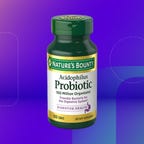
Nature's Bounty has been a popular contender in the vitamin and supplement market since 1971. Found in many grocery and retail stores such as Target and Walgreens, Nature's Bounty is especially accessible and affordable. Its probiotic supplements contain a very popular strain of bacteria -- Lactobacillus acidophilus, which has been shown to help conditions such as bloating, cramps and eczema.
The tablets are free of artificial color, flavor, sweeteners, sugar, starch, milk, lactose, soy, gluten, fish and sodium, making them suitable for vegetarians.
Do probiotic supplements really work?
Yes, but it's complicated. Probiotic supplements can benefit your gut, though their impact is more limited than you may think because of their targeted location.
"Over 99% of probiotic supplements target the small intestine, even though more than 99% of your gut bacteria live in the large intestine—mainly the colon," Mercola said. Your large intestine is where the real work happens.
"Most formulas also use aerobic strains, but the bacteria your colon depends on are anaerobic. They require a low-oxygen environment to thrive." Mercola explained that conventional probiotics may offer minor improvements but won't fix everything.
It doesn't hurt to take a probiotic supplement to cash in on those improvements, though it shouldn't be the only thing you do. Mercola said that your diet is where you should focus on improving your gut microbiome, namely, minimizing how often you eat processed foods and vegetable oils. The fats in these foods will damage your gut lining and throw off the microbial balance. So, no matter how much money you spend on a probiotic supplement, if your diet is lacking, you aren't going to see the results you want.
You may not need a probiotic supplement if you eat a balanced diet that doesn't include many processed foods. However, Mercola pointed out that if you have gut issues, travel a lot or have taken antibiotics recently, using a probiotic supplement may help you get back on track.
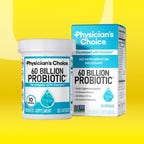
Physician's Choice probiotics capsules contain five probiotic strains and five prebiotic strains. In addition, the supplements are delayed-release and will be absorbed in the small intestine.
The probiotics contain non-GMO ingredients without any presence of soy, gluten, milk, egg, wheat, peanuts, shellfish or preservatives. The prebiotic blend is all organic, including 50 mg of Jerusalem artichoke root, 50 mg of acacia senegal and 50 mg of chicory root.
How to choose the right probiotic supplement
While many Redditors will ask about what the best probiotic to take is, it's impossible to get a single answer because there are so many factors to consider, like what your specific problem is and which strain would help it. There are several types of probiotics that people can take, including: Lactobacillus and Bifidobacterium strains, Lactobacillus acidophilus, L. rhamnosus, L. plantarum, Bifidobacterium longum, and B. breve.
What works well for one person may not be the right choice for another. Here are some important things to remember while shopping for a gut health supplement.
Location
The first thing you should look for when shopping for a probiotic supplement is the location it targets. "If the label doesn't mention colon delivery or include a delayed-release capsule, skip it. Most standard probiotics die in the stomach before they ever get where they're needed," Mercola said.
He recommends looking for strains like Akkermansia muciniphila or Clostridium butyricum, anaerobic species that live in the colon. These strains are sensitive to oxygen and stomach acid, so if you opt for them, it's important to ensure the supplement is an oxygen-protected, timed-release capsule.
Purpose
You'll also need to determine whether a given product meets your probiotic needs. There are differences between probiotics marketed toward men and those marketed toward women, for example, because they contain different formulas and strains that will be more beneficial to one group than the other.
Dietary restrictions
If you have specific nutritional needs (you're a vegan or allergic to eggs, for example), you'll want to check the product information of any probiotic to be sure it's safe for you to consume.
Release time
Some probiotics release or activate in the stomach, while some are delayed-release and absorbed lower in the digestive tract. Depending on your individual needs, you may want to look for a delayed-release probiotic. There aren't many on the market that target the large intestine and colon, though hopefully we'll see more soon.
Strength or CFU count
Probiotic supplements are labeled with a colony-forming unit number, which determines the number of bacteria colonies. The higher the number, it is suggested, the higher the chance of the probiotic taking. This doesn't necessarily improve its efficiency.
Independent verifications
There are a ton of probiotic supplements out there, but not all of them are high quality. One way to ensure you're getting a safe and effective product is to make sure the supplement has been independently verified. It should be a company that's not associated with the brand to ensure there's no bias. Examples of these certifications include Informed Certified, NSF Sport, USP Verified and BSCG Certified.
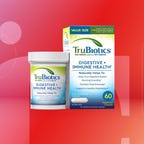
TruBiotics contains two of the most popular and studied strains -- Lactobacillus acidophilus and Bifidobacterium animalis -- both used to help the digestive tract and improve the body's fight against infections. The capsules do not contain gluten, soy or animal-based gelatin; however, they do contain dairy.
TruBiotics claims that its probiotics support up to 70% of your immune system found in your digestive tract. In addition to immune health, both strains have been found to help maintain a healthy digestive balance.
When is the best time to take a probiotic?
Wondering when to take your probiotic? It depends on the type. One study found that the Saccharomyces boulardii strain works fine with or without food. Still, strains such as Lactobacillus and Bifidobacterium tend to do best when taken about 30 minutes before a meal.
Since most supplements include Lactobacillus and Bifidobacterium, your best bet is to take them before eating. But the research is evolving -- so it's smart to follow the instructions on the label or check with the manufacturer.
If you've been wondering, it is absolutely safe to take probiotic supplements every day. However, remember that everything comes down to your diet. You will see more progress by intentionally nourishing your gut with whole, fiber-rich foods. You should avoid processed foods and seed oils that are commonly used in restaurants as much as you can.