

Getting a good night's sleep is essential for the health and well-being of children and adults. When your child can't get that full 8 to 10 hours, it can easily ruin their day and yours. Quality rest is crucial for your child's development and mental state, and without the proper mattress to sleep on, they may not be getting the essential sleep they need. The best mattresses for kids is soft and supportive, offering a solid balance of pressure relief and comfort as they grow. If you're concerned about accidents for your young kids, you may want to consider a waterproof cover.
Our Picks

Why we chose the Saatva Youth mattress: The dual-sided Saatva Youth Mattress is designed to grow with your kid. One side is made with a five-zone support layer that's firmer in the center of the mattress to maintain proper spinal alignment for kids between the ages of 3 and 7. The other side has high-density comfort foam and additional lumbar support that's necessary for older kids from 8 to 12. As your child grows, just flip the mattress to suit their needs.
Pros
- Flippable design
- Antimicrobial organic cotton
- Water-resistant finish to protect against accidents
- Supportive coils with lumbar support
Cons
- On the expensive side of kid mattresses
- Not for kids who want a memory foam feel
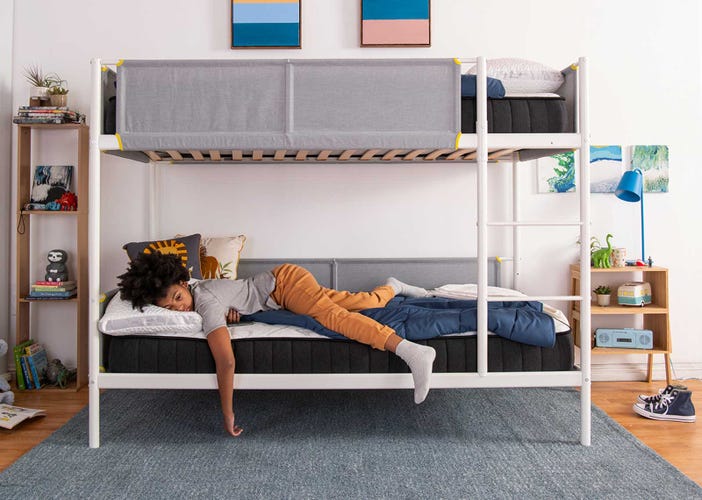
Why we chose the Puffin Memory Foam mattress: While babies and toddlers may need more support, memory foam mattresses are a great option for older kids. This two-layer Puffin Mattress from Nest Bedding has a 5-inch base layer that offers the ideal amount of support for a child's body weight, plus 2 inches of a highly responsive memory foam that reacts quickly to movement and makes it easier for your child to adjust positions during the night.
Pros
- Affordable, all-foam mattress
- CertiPUR-US certified foams
- Highly responsive so they can move around easily
Cons
- All-foam design means it won't work for older kids
- Maximum capacity is only 110 pounds
- Short trial period
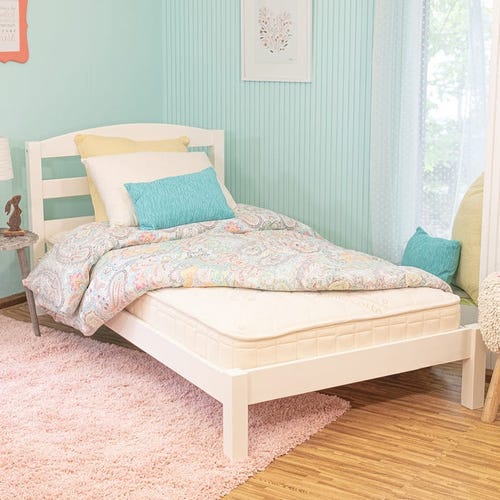
Why we chose the Naturepedic 2-in-1 Organic mattress: If you're looking for your child's first "big kid" bed, the Naturepedic 2 in 1 Organic Kids Mattress is an excellent option for easing the transition. Like the Saatva Youth Mattress, it's a dual-sided mattress that's designed to adapt with your child through the early life stages. One side offers firm support and a waterproof barrier, while the other side has a quilted cotton cover and is a bit more plush -- ideal for older children.
Pros
- Waterproof or quilted side
- Vegan
- GOTS-certified organic cotton and non-toxic materials
Cons
- May be too firm for side sleepers
- On the expensive side
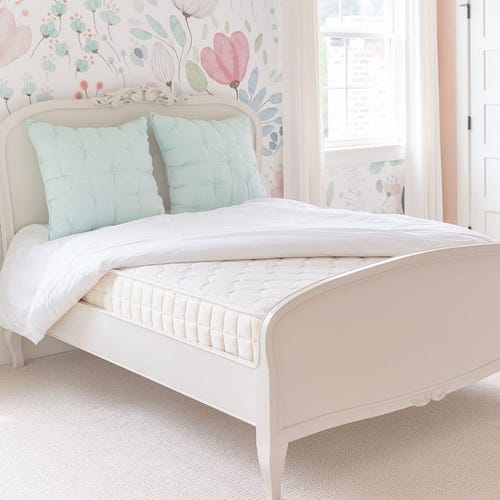
Why we chose the Naturepedic Verse Organic mattress: Another option from Naturepedic, the Verse Organic Kids Mattress, is a slight upgrade from the 2 in 1. Specially designed for older kids, this hybrid mattress is 2 inches thicker to support heavier body weights, and it has a quilted top layer that's made with organic wool batting -- a temperature-regulating layer that wicks away moisture and keeps your child comfortable no matter the ambient temperature.
Pros
- Greenguard certified
- GOTS-certified cotton
- Hybrid construction makes it good for growing kids
- Gives a nice amount of cushioning
Cons
- Organic beds cost more

Why we chose the Zoma Hybrid mattress: Most kids are active in their own right, but if you have a kid who's involved in a lot of sports or activities that take a physical toll on the body, the Zoma Hybrid is likely the best choice. It has three layers that are specially designed to alleviate pressure points and promote resting recovery in athletes.
Pros
- Good pressure relief
- Accommodating medium firmness
Cons
- Changing positions can be difficult
- Not a budget choice
MATTRESSES DEALS OF THE WEEK
- $90 (save $20)
- $195 (save $36)
- $450 (save $100)
- $381 (save $70)
- $170 (save $14)
However, shopping for mattresses for kids comes with some unique challenges. The lighter a child is, the harder any mattress will feel to them, and dual-sided mattresses are designed with this in mind, letting you flip to a firmer feel with more support once the softer side is outgrown. Durability and water resistance also take a higher priority because accidents happen, be it spilling juice all over the mattress or roughhousing gone wrong.
None of this is to say that you have to buy a dedicated kids' mattress, though. Twin mattresses are the perfect size for a child's bedroom. These are the standard size for bunk beds and come in a much wider array of firmnesses and material types, including memory foam mattresses and hybrid mattresses. Sheets for twin beds are also much easier to find on sale than bedding for more eclectic mattress sizes.
After spending years testing mattresses, CNET's mattress experts have seen them all. We know what makes a good mattress and what doesn't. We've put all that knowledge below to help you find the best mattress for your kids.
What is the best mattress for kids overall?
The Saatva Youth bed is the best mattress for kids thanks to its two-sided construction, which is designed to grow with your child. Saatva is known for its high-quality mattresses, and the Youth model is no different.
The first side of the mattress is meant for kids aged three to seven. It has a five-zone support foam layer that is firmer at the center third of the bed to make certain their spines stay aligned all night. Flipping the mattress over gives you the older kid side, which features patented Lumbar Zone Active Spinal wire. Then, there's a water-resistant finish that will protect the bed as your kid ages. You can't beat this two-bed-in-one mattress.
Best mattresses for kids in 2025

Pros
- Flippable design
- Antimicrobial organic cotton
- Water-resistant finish to protect against accidents
- Supportive coils with lumbar support
Cons
- On the expensive side of kid mattresses
- Not for kids who want a memory foam feel
Why we chose the Saatva Youth mattress: The dual-sided Saatva Youth Mattress is designed to grow with your kid. One side is made with a five-zone support layer that's firmer in the center of the mattress to maintain proper spinal alignment for kids between the ages of 3 and 7. The other side has high-density comfort foam and additional lumbar support that's necessary for older kids from 8 to 12. As your child grows, just flip the mattress to suit their needs.
The organic cotton cover on both sides has a water-resistant finish that protects against accidents and spills, but there's also an option to add a removable waterproof mattress protector (for $155) if you want additional peace of mind.

Pros
- Affordable, all-foam mattress
- CertiPUR-US certified foams
- Highly responsive so they can move around easily
Cons
- All-foam design means it won't work for older kids
- Maximum capacity is only 110 pounds
- Short trial period
Why we chose the Puffin Memory Foam mattress: While babies and toddlers may need more support, memory foam mattresses are a great option for older kids. This two-layer Puffin Mattress from Nest Bedding has a 5-inch base layer that offers the ideal amount of support for a child's body weight, plus 2 inches of a highly responsive memory foam that reacts quickly to movement and makes it easier for your child to adjust positions during the night.
The foams are all CertiPUR-US certified, which means that they contain very low amounts of potentially harmful chemicals, and all mattresses are aired out in Nest Bedding's factories before delivery to help reduce off-gassing.

Pros
- Waterproof or quilted side
- Vegan
- GOTS-certified organic cotton and non-toxic materials
Cons
- May be too firm for side sleepers
- On the expensive side
Why we chose the Naturepedic 2-in-1 Organic mattress: If you're looking for your child's first "big kid" bed, the Naturepedic 2 in 1 Organic Kids Mattress is an excellent option for easing the transition. Like the Saatva Youth Mattress, it's a dual-sided mattress that's designed to adapt with your child through the early life stages. One side offers firm support and a waterproof barrier, while the other side has a quilted cotton cover and is a bit more plush -- ideal for older children.
The mattress is constructed of USA-grown certified organic cotton and stretch knit fabrics that contour to the body and contribute to a more comfortable night's sleep.

Pros
- Greenguard certified
- GOTS-certified cotton
- Hybrid construction makes it good for growing kids
- Gives a nice amount of cushioning
Cons
- Organic beds cost more
Why we chose the Naturepedic Verse Organic mattress: Another option from Naturepedic, the Verse Organic Kids Mattress, is a slight upgrade from the 2 in 1. Specially designed for older kids, this hybrid mattress is 2 inches thicker to support heavier body weights, and it has a quilted top layer that's made with organic wool batting -- a temperature-regulating layer that wicks away moisture and keeps your child comfortable no matter the ambient temperature.
Like the 2-in-1, it's classified as a firm mattress, but it has a plush organic cotton cover that adds some cushioning so it feels soft while also providing adequate support.

Pros
- Good pressure relief
- Accommodating medium firmness
Cons
- Changing positions can be difficult
- Not a budget choice
Why we chose the Zoma Hybrid mattress: Most kids are active in their own right, but if you have a kid who's involved in a lot of sports or activities that take a physical toll on the body, the Zoma Hybrid is likely the best choice. It has three layers that are specially designed to alleviate pressure points and promote resting recovery in athletes.
One of the layers is divided into three zones that provide the ideal amount of pressure for different areas of the body -- the head, shoulders, hips, lower back and upper and lower legs. It also has a ventilated cover and cooling channels that help regulate temperature, so it's great for hot sleepers, too.
How we tested the best mattress for kids
Our team of experts has been testing mattresses for years. We've established testing methods we use across each bed, including assessing edge support, firmness and motion isolation.
For this guide, we also considered special features that are important for children, like waterproof materials or a flippable design. Third-party certifications that show a mattress has safety testing, including GREENGUARD and CertiPUR-U, also contributed to their evaluations.
CNET editors pick the products and services we write about based on editorial merit. When you buy through our links, we may get a commission. Read more on how we test mattresses.
Things to consider when shopping for mattresses for kids
There are a lot of beds for kids out there, some specifically designed for kids or twin-size options of popular models. Keep these things in mind when shopping for a new mattress for your child.
Age
Your child's age will help you hone in on what size of mattress they need. While babies need crib mattresses, older kids could use either a twin or twin XL mattress.
Also, remember that some mattresses specifically designed for children also have weight limits, like the Nest Bedding Puffin bed. Your child's age and weight will help you determine if the mattress you choose has enough room for them to grow with.
Sleeping positions
Your child's sleeping position will determine how firm or soft their mattress needs to be. Side sleepers need enough pressure relief to combat pressure points at the shoulders, hips and knees. Stomach or back sleepers need a firmer mattress that keeps their spine aligned at night.
Kid-specific features
Common unique features for mattresses for kids are waterproof materials for potty training, zoned support and flippable constructions meant to grow with your child.
You also should keep in mind your child's specific needs when shopping. For example, if they have allergies, you might want to look for materials like latex foam that are naturally antimicrobial.
Best mattress for kids FAQs
What mattress types are best for kids?
Foam mattresses are best for kids because they are quality-made, but typically won't cost you an arm and a leg. Hybrid mattresses aren't necessary because they offer more support than your child might need, and they cost more money. Memory foam offers ample pressure relief, while latex foam is breathable and can be made to be organic or natural. Lastly, polyfoam is a breathable and cozy material that's very affordable. You also want to consider your child's preferred sleeping position, weight and the length of time they'll be sleeping on the bed.
How much money should you spend on a mattress for your child?
You want your kid to have a comfortable mattress, but they're going to eventually grow out of it. For that reason, you may not want to invest in an expensive mattress you might purchase for yourself. Most kid mattresses are between $200 and $800. Some exceed that price, but then you're looking at luxury kid mattresses with extra bells and whistles.
What mattress firmness is best for a child?
We recommend a medium mattress, but a good rule of thumb is that the smaller you are, the firmer the mattress is going to be. That means a medium-firm mattress will likely feel even firmer for your child as they lack the body weight to sink into the material as an adult would. A medium mattress should provide ample support and pressure relief at the same time, but if your kid loves sleeping on their side, you should go softer.
