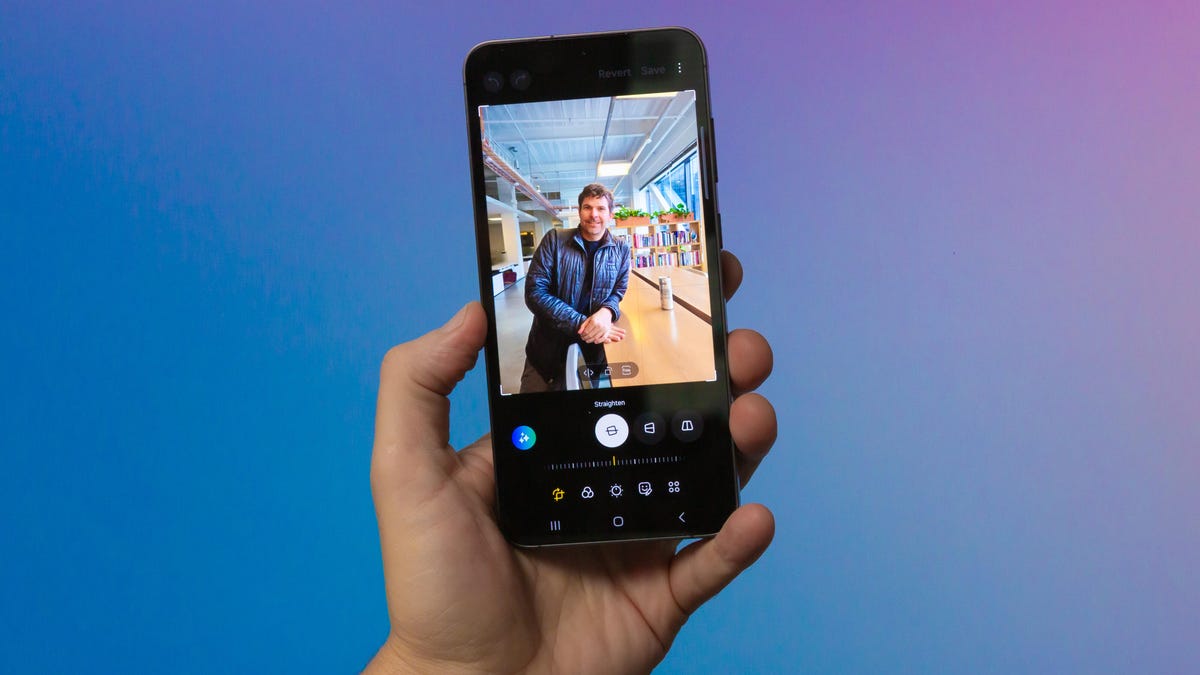
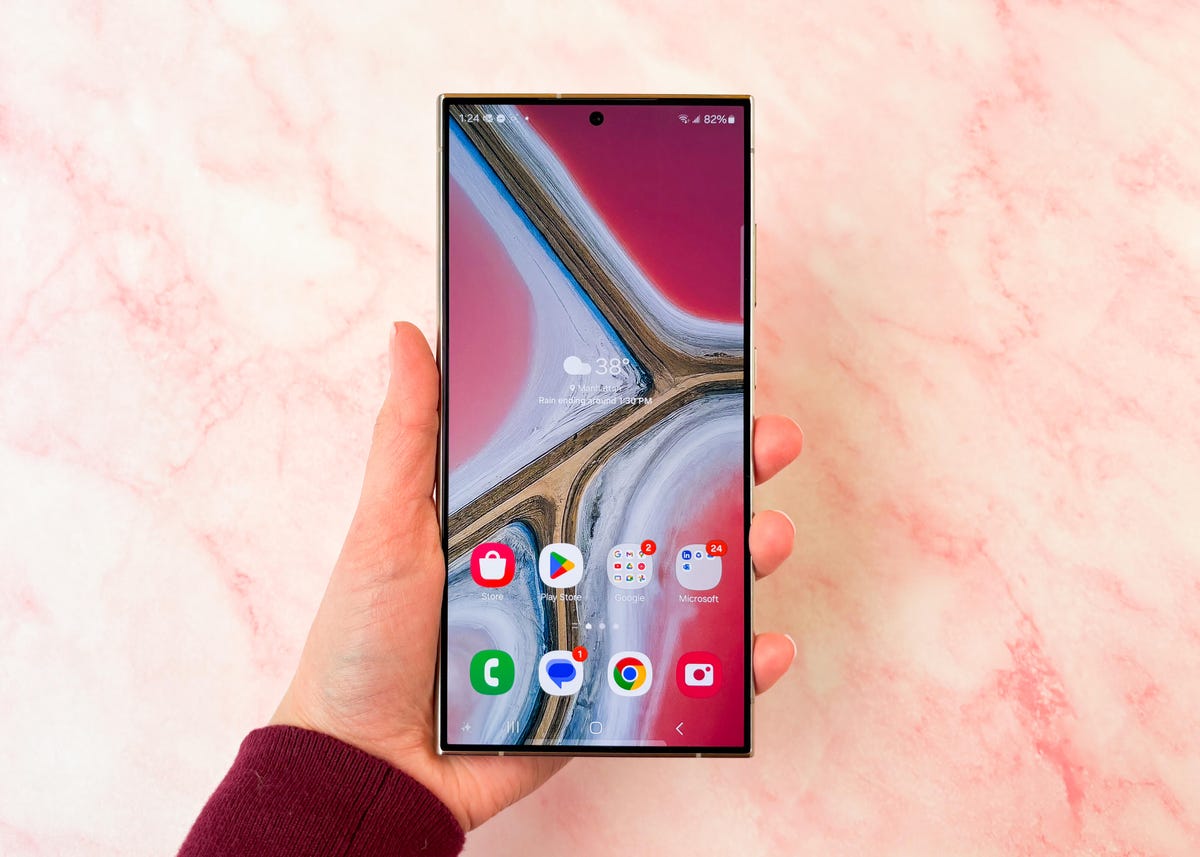
A tour of the Sony Handycam HDR-SR7's design and features.
Lori Grunin
I've been reviewing hardware and software, devising testing methodology and handed out buying advice for what seems like forever; I'm currently absorbed by computers and gaming hardware, but previously spent many years concentrating on cameras. I've also volunteered with a cat rescue for over 15 years doing adoptions, designing marketing materials, managing volunteers and, of course, photographing cats.
The few controls not operated via the SR7's touch screen menu system include backlight compensation, NightShot infrared mode, and Camera control. Camera control lets you assign one shooting-adjustment setting--manual focus, exposure compensation/exposure shift, white-balance shift (toward red or blue), and shutter speed--for control via the rather slippery dial.
If you run the SR7 on full auto mode, you rarely ever need to use the touch screen. There are two dedicated playback buttons, one which drops you into the HD clip index, and the other which drops you into the index of whichever mode you're in.
Although the eye-level viewfinder tilts up, it doesn't extend, nor is it padded, which would have been a little more comfortable.
There are a variety of connectors on the SR7's body, including (oddly) one for a wired remote, though a wireless remote comes bundled; mini-HDMI (Type C); microphone and headphones; and component and composite output.
One way in which the SR7 differs from the HC7 is in its support for Dolby 5.1 Surround recording; the HDV tape format can only record mono or stereo. Though both the SR7 and HC7 support Sony's x.v.Color (the xvYCC color space), as yet there are few TVs which can use it to properly play video.