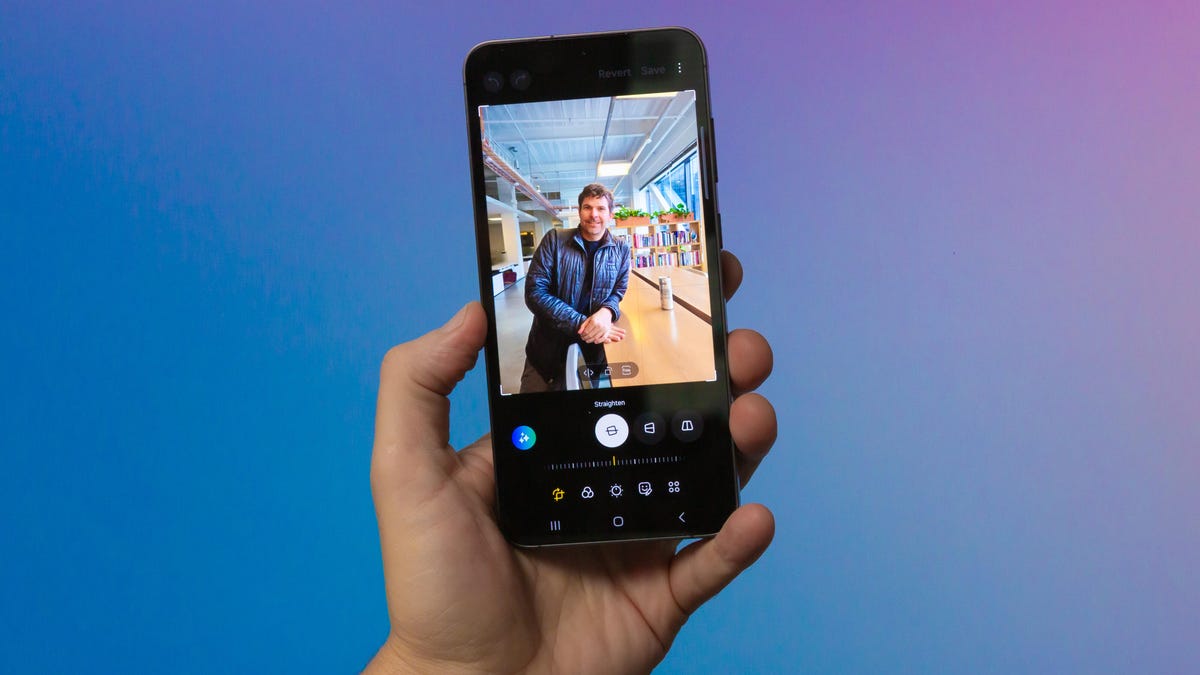
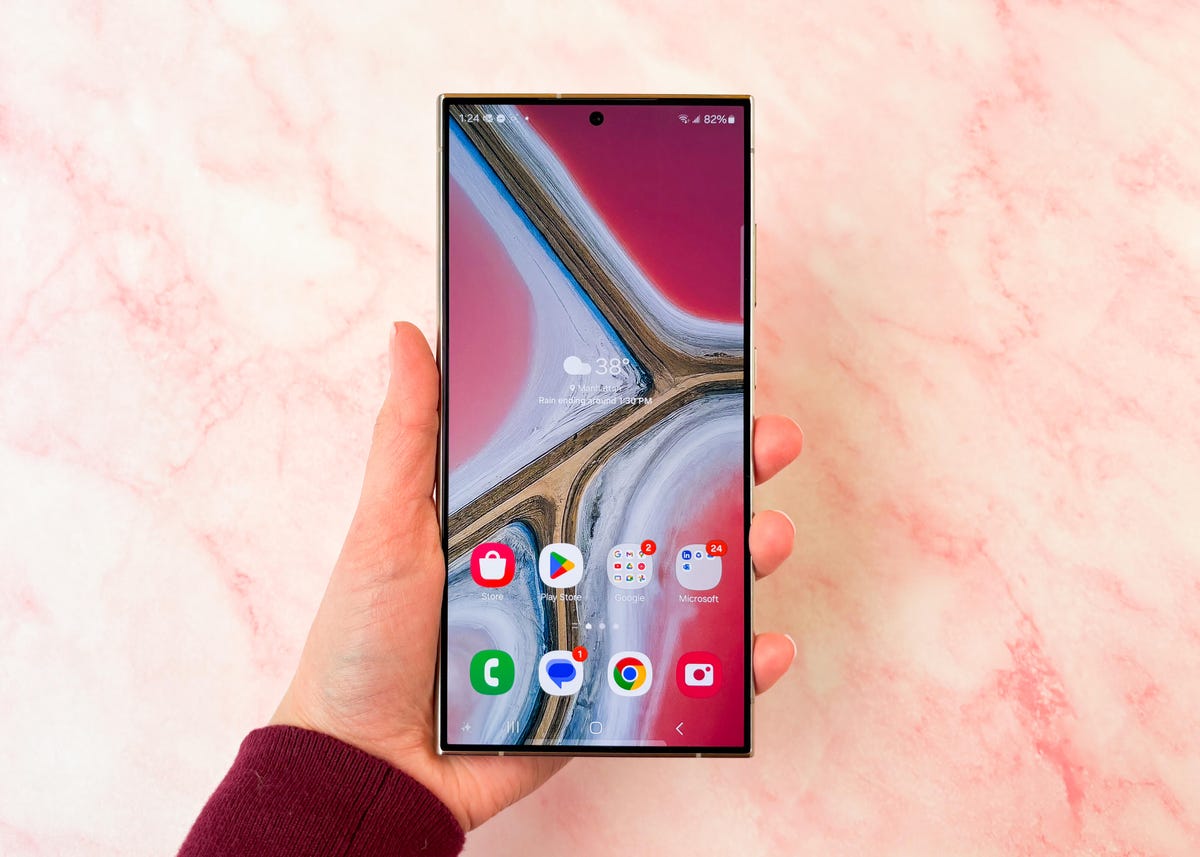
Lately, Palm's come under a bit of criticism for dragging its heels in the innovation department, and the <a href="https://salezone.website/8301-1_105-9770830-1.html%22%3EPalm Foleo fiasco</a> certainly didn't help. However, the company's latest project, the Palm Centro, is looking like a better prospect. It's certainly not the type of innovation we were looking for, but the combination of a more compact design, full feature set, and affordable price, makes the Centro an attractive option for those looking for their first smartphone. Check out the photos and review here.
The Palm Centro is the first non-Treo, as well as the smallest and lightest smartphone from the company. It measures 4.2 inches high by 2.1 inches wide by 0.7 inch deep and weighs 4.2 ounces, yet manages to pack in all of the features of a Treo and then some. But perhaps the best feature? Its $99 price tag (with a two-year contract with Sprint).
Palm hopes that the Centro will attract a new customer base of those ready to make the jump from cell phone to smartphone, and we think with its affordable price tag and ease of use, the Centro will definitely appeal to the 20- to 30-year-olds.
The Palm Centro doesn't exactly have the flash or "wow" factor of a device from HTC or Nokia. It looks more like a toy, and in the hand, it feels, well, a bit plasticky. On the positive side, the smaller size and rounded edges make the phone more comfortable and easier to hold when held up to the ear.
Beneath the Centro's display, you'll find the standard navigation array of Talk and End keys, and shortcuts to the phone app, home screen, calendar, and message in-box, and a five-way toggle. However, you can also use the device's touch screen to navigate the menus and select items, which is a huge advantage the Centro has over its competition.
On back of the device, you'll find the 1.3-megapixel camera and self-portrait mirror. There's no flash or any editing options, but it still took some decent photos with good definition and color tone.
Given the smaller form factor, we figured the keyboard would be smaller, but we didn't think it'd be that small. The buttons are tiny, and there's very little spacing between the keys, so users with larger thumbs are definitely going to have problems.
The Centro has a microSD expansion slot located on the right side. It's protected by an attached cover, but we found it pretty hard to pry off. The slot can accept up to 4GB cards.