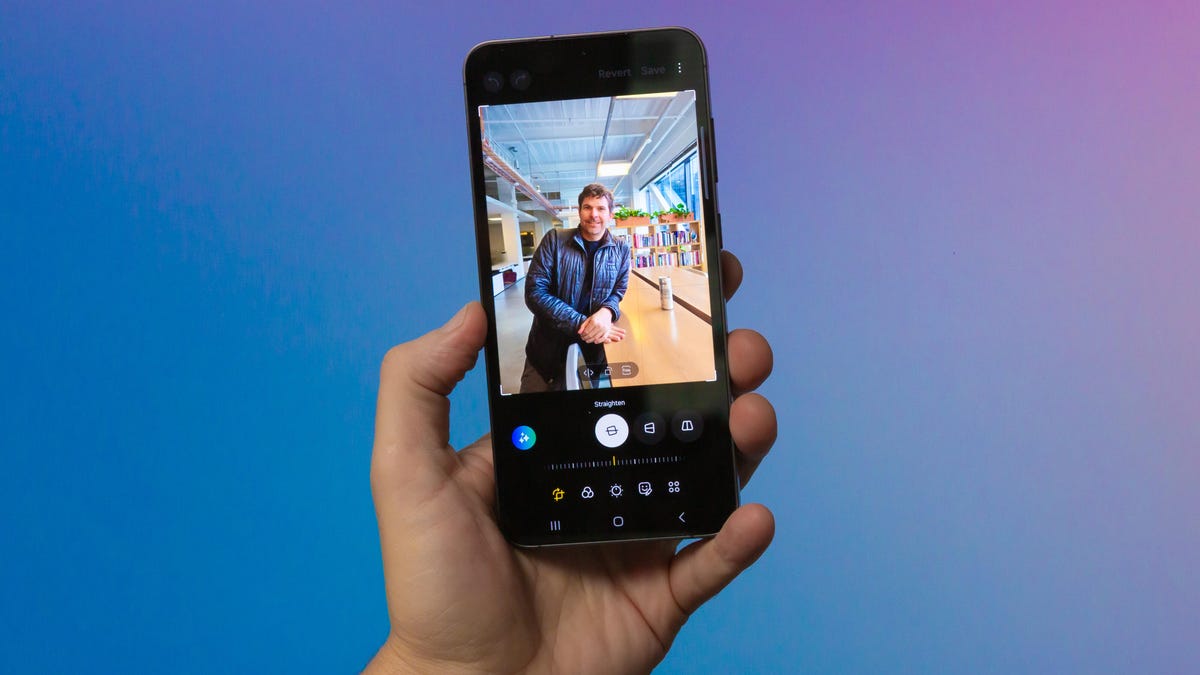
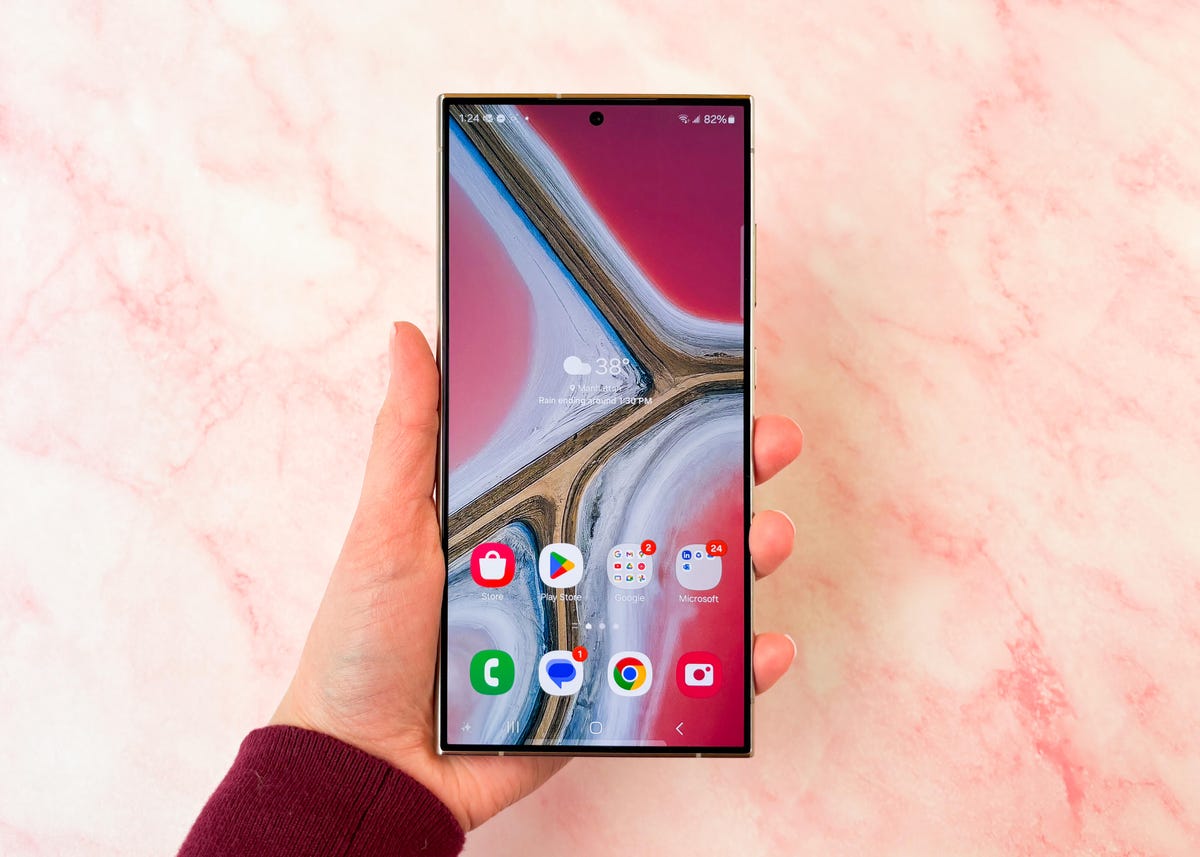
This isn't your ordinary Samsung Galaxy handset. Instead, the Beam has one very big trick up its sleeve.
Jessica Dolcourt
Jessica is a passionate content strategist and team leader across the CNET family of brands. She leads a number of teams, including commerce, performance optimization and the copy desk. Her CNET career began in 2006, testing desktop and mobile software for Download.com and CNET, including the first iPhone and Android apps and operating systems. She continued to review, report on and write a wide range of commentary and analysis on all things phones, with an emphasis on the iPhone and Samsung devices. Jessica was one of the first people in the world to test, review and report on foldable phones and 5G wireless speeds.
Jessica began her leadership role managing CNET's How To section for tips and FAQs in 2019, guiding coverage of topics ranging from personal finance to phones to home. She holds an MA with Distinction from the University of Warwick in the UK.
The Samsung Galaxy Beam may look like your average Galaxy smartphone running Android 2.3 Gingerbread (this will change, by the way), but the ace up its sleeve is the pico projector situated at the top of the phone--and capable of beaming photos, videos, presentations, and anything else you want, onto surfaces.
2 of 7Stephen Shankland/CNET
Beam, baby, beam
The contents of your phone look best projected in darker atmospheres, and the closer you are to the projecting surface, the sharper your image. The Galaxy Beam projects at a 640x360-pixel resolution. Samsung says that the Galaxy Beam's larger 2,000mAh battery will keep movies and other content projecting for about 3 hours straight.
3 of 7Stephen Shankland/CNET
90-degree offset
Another thing you should know is that the projecting module offsets your phone by 90 degrees, which means that initially, orientation is a little wonky. Samsung is working on accessories like stands and cases to help keep beamed images steady.
4 of 7Stephen Shankland/CNET
Lumen power
Samsung boasts that its Beam projects at a brightness level of 15 lumens, whereas other projector phones in the past have topped out at 10 lumens. Projections--including video playback--looked great in our first demo, which took place in a dark room. The LED bulb itself has a life span of about 20,000 hours, so don't expect to have to replace it soon.
5 of 7Stephen Shankland/CNET
Other features
Beyond the projector, the phone itself sports a 4-inch WVGA TFT touch screen, a 5-megapixel rear-facing camera and 1.3-megapixel front-facing camera, and a 1GHz dual-core processor.
6 of 7Stephen Shankland/CNET
The slim factor
Built-in projectors tend to add a lot of bulk, but the Galaxy Beam measures just 12.5 millimeters (just under 0.5-inch) thick, the typical depth of your average phone.
7 of 7Stephen Shankland/CNET
Tactile
Daring you to drop it, the Galaxy Beam looks less delicate and more rugged, thanks to its comfortable soft-touch finish and bright yellow trim.