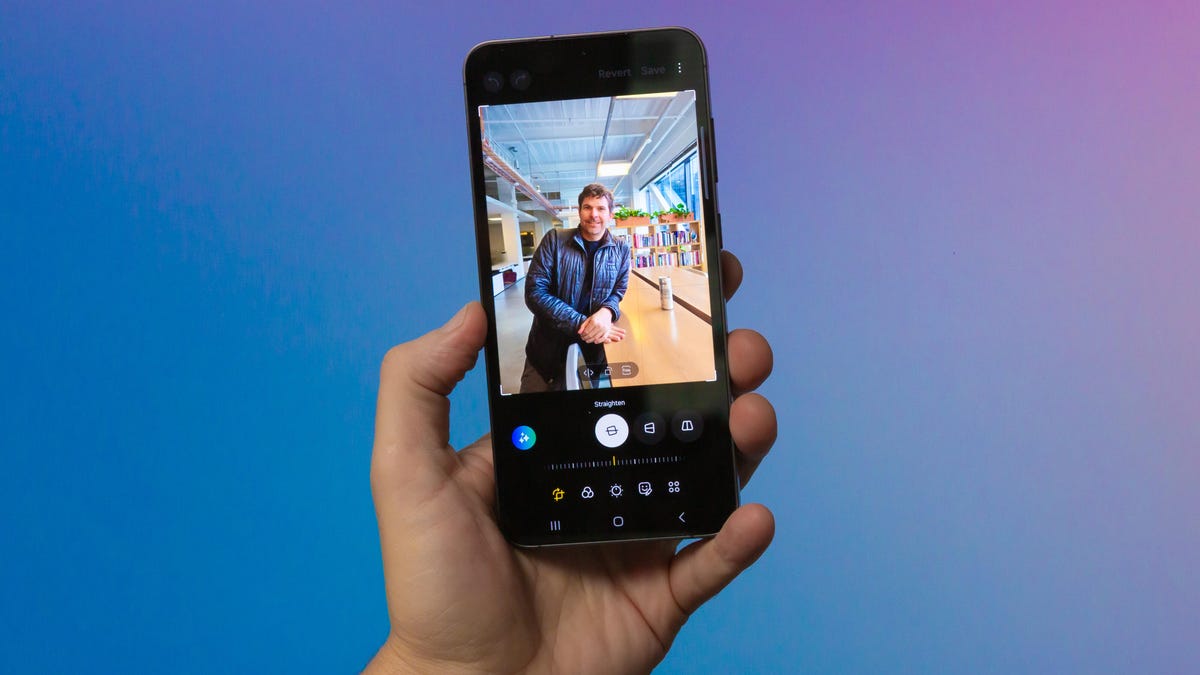
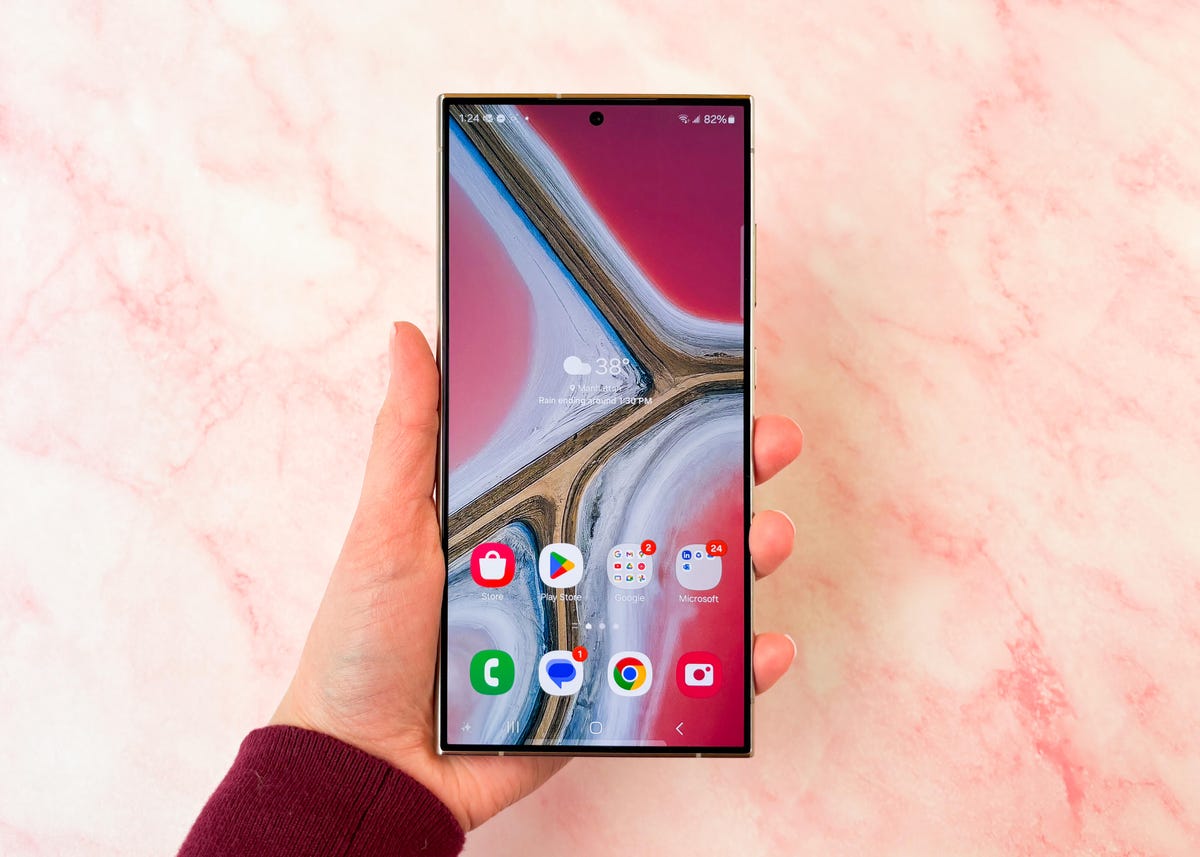
Take a closer look at Samsung's two Android-based portable media players, the Galaxy Player 4 and Galaxy Player 5.
Donald Bell
Donald Bell has spent more than five years as a CNET senior editor, reviewing everything from MP3 players to the first three generations of the Apple iPad. He currently devotes his time to producing How To content for CNET, as well as weekly episodes of CNET's Top 5 video series.
Samsung's Galaxy Player media players come in two varieties: a model with a 4-inch screen called the Galaxy Player 4 ($229) and a model with a 5-inch screen called the Galaxy Player 5 ($269).
Both devices include 8GB of internal storage, which can be expanded using microSD cards. Both run a version of Android 2.3 that has been customized by Samsung.
2 of 13Donald Bell/CNET
Samsung Galaxy Player 4 and 5 - boxes
On the back of the packaging you can see highlights of all the important specs. For the most part the devices include identical features, including Wi-Fi 802.11n support, GPS, Bluetooth, DivX/Xvid video support, a 3.2-megapixel camera, and a 1GHz processor.
The Galaxy Player 5 has the unique bragging rights of a larger 2,500mAh battery, presumably for improved battery life. The Player 4 offers a "Super Clear LCD" not available on the Player 5.
3 of 13Donald Bell/CNET
Samsung Galaxy Player 4 - unboxed
Opening up the Galaxy Player 4, we were a little surprised to see that the device was noticeably larger than the image depicted on the box.
4 of 13Donald Bell/CNET
Samsung Galaxy Player 4 - add-ins
Inside the Galaxy Player 4 box you'll find a USB cable with a charging adapter, a pair of in-ear headphones, and a warranty.
5 of 13Donald Bell/CNET
Samsung Galaxy Player 4 - back
The back of the Player 4 includes a speaker and a 3.2-megapixel camera capable of standard-definition video (720x480 pixels).
6 of 13Donald Bell/CNET
Samsung Galaxy Player 4 - front
The front of the Galaxy Player 4 features a 4-inch screen with an 800x480-pixel resolution. Samsung calls the screen technology Super Clear, which is perhaps a reference to the panel's pixel-density, similar to Apple's Retina Display technology.
7 of 13Donald Bell/CNET
Samsung Galaxy Player 5 - unboxed
The Samsung Galaxy Player 5 really surprised us when we took it out of the box. Not only was it significantly larger than the image on the front, but it took up the whole box!
8 of 13Donald Bell/CNET
Samsung Galaxy Player 5 - add-ins
Inside the Galaxy Player 5 box you'll find a USB cable with a charging adapter, a pair of in-ear headphones, and a warranty.
9 of 13Donald Bell/CNET
Samsung Galaxy Player 5 - back
On the back of the Galaxy Player 5 you'll find the same speaker and 3.2-megapixel camera as on the Player 4, only with the inclusion of an LED flash.
10 of 13Donald Bell/CNET
Samsung Galaxy Player 5 - front
As expected, the 5-inch screen on the Galaxy Player 5 allows plenty of screen real estate. Unfortunately, the pixel density clearly isn't as sharp as on the Galaxy Player 4, and the image quality pales in comparison to Samsung's AMOLED screen, used on the Galaxy S II smartphone. Screen resolution is the same 800x480 pixels used on the Player 4.
11 of 13Donald Bell/CNET
Samsung Galaxy Players with iPod Touch
From left, we have the backs of the Galaxy Player 5, Galaxy Player 4, and Apple iPod Touch. The iPod is by far the thinnest and most pocketable, though its screen size is relatively small at 3.5 inches.
12 of 13Donald Bell/CNET
Samsung Galaxy Players with Galaxy S II
From left, we have the Galaxy Player 4, Galaxy S II smartphone, and Galaxy Player 5. Even with the screens turned off, it's clear that the S II smartphone in the middle is using a different technology (AMOLED) with deeper blacks.
13 of 13Donald Bell/CNET
Samsung Galaxy Players with Galaxy S II
With the screens turned on, you can see that all three Samsung Galaxy devices use a very similar home screen and interface. Aside from the differences in screen quality, one key difference is the choice of apps used in the dock (which Samsung prevents you from customizing).