


Editors' note (October 23, 2012): The 2011 iMac reviewedhere has been replaced by an updated 2012 model thatoffers an all-new superthin design and improved hardware specs (IvyBridge CPU, Thunderbolt port, USB 3.0).
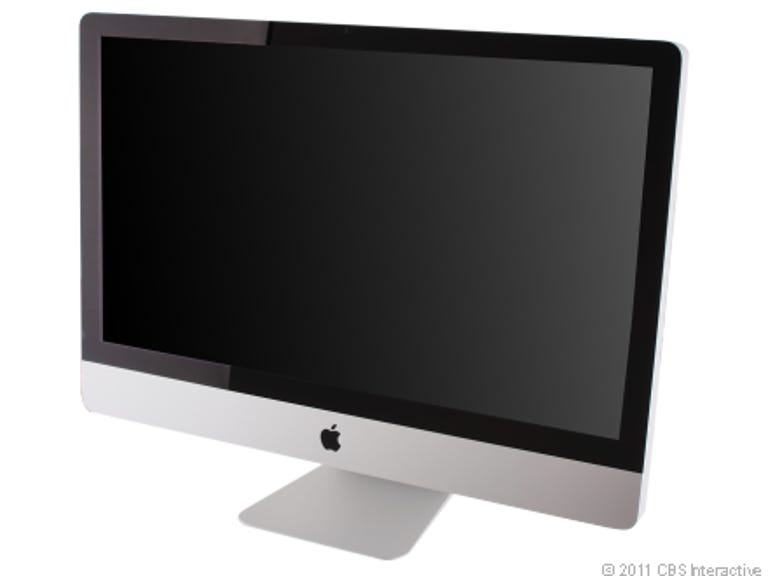
Apple iMac (spring 2011)
The Good
The Bad
The Bottom Line
Apple's 27-inch iMacs stand out largely because they offer bigger displays than any other all-in-one. The newly updated 21.5-inch iMac has always had a harder time persuading buyers thanks to the glut of 23-inch Windows-based all-in-ones in the same price range. A fast new Core i5 processor helps the most affordable new iMac make a strong case for its performance, and we expect OS X-loyal professionals will appreciate the iMac's added speed and, eventually, its new Thunderbolt data port. Consumers will be less convinced, especially given the iMac's lack of home entertainment conveniences.
As we said in our review of the new 27-inch model, the design of Apple's iMacs remains the most aesthetically pleasing in the industry. The 21.5-inch model has a smaller footprint than the larger one, coming in at 17.75 inches high and 20.75 inches (compared with 20.25-inches high and 25.5-inches wide on the 27-inch iMac), which could make the smaller-screen version one better suited to tight spaces.
Along with featuring the smaller screen among the two iMac varieties, the 21.5-inch model also has a smaller screen than price-comparable Windows all-in-ones. Dell's Inspiron One, HP's TouchSmart 610-series, the Gateway One ZX6000-series, and others all boast 23-inch displays, and some, like Dell's all-in-one, can be had for under $700.
Admittedly, the iMac's display gives up only a diagonal inch-and-a-half in its physical measurements, which is hardly enough to cause a dramatic degradation in its user experience. You could argue that the more compressed pixels will make for crisper image quality, at least when you're sitting up close. The Windows side of the debate might similarly point out that larger screens lend themselves to better viewing from a distance, which you might want from an all-in-one designed, as many Windows all-in-ones are, for home entertainment. Both sides have a point, and the arguments of the screen-size debate extend through to the 21.5-inch iMac's features comparison as well.