


It's a weird space, that delta between 13.3 and 14-inch screens. Nothing highlights it more than Dell's Inspiron 13z and 14z Ultrabook (not to be confused with the plain old Inspiron 14z). The hardware inside is pretty much the same, although the 14-inch screen does use a Chimei panel rather than LG, the result being a slightly less saturated look. For reasons that confound us, the 14z is apparently an ultrabook, while the 13z is not. We don't think you'll notice.
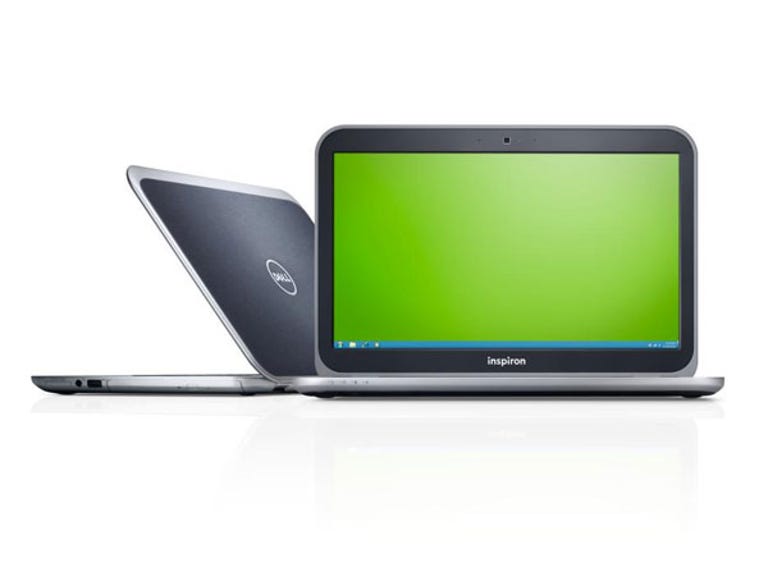
Dell Inspiron 14z Ultrabook (5423)
The Good
The Bad
The Bottom Line
Connectivity
- USB 3.0: 2
- Optical: DVD&plusm;RW
- Video: HDMI
- Ethernet: 100Mbit
- Wireless: Single-channel 802.11n, Bluetooth 4.0
The industrial design is pretty much the same, the big rounded corners and large screen bezel giving you a feeling that you're playing with a toy. The resolution of the screens are identical. The major differences, aside from screen size, include a DVD&plusm;RW drive at the cost of a USB 3.0 port and, unlike the 13z, you can't remove the lid to swap it out for another colour of your choice — not that Dell is selling those lids locally yet.
Fewer ports are covered by those very annoying flaps that get in the way of plugging things in. Hiding under the cursed covers, you'll find an HDMI port, 100Mbit Ethernet and a USB 3.0 port. On the other side, blessedly exposed, is another USB 3.0 port, SD card reader and headset jack.
The upshot of all this is: the 14-inch is what you get if you still need an optical drive. Sure, it comes with a 500GB drive in its base configuration rather than 320GB, but you can spec the 13z up to that if you want. The 14z gives you more options though — our review sample had an 8GB cache SSD inside, however the selling model features a 32GB mSATA drive, to give the old mechanical drive that extra boost.
Just like the 13z, you can opt for a second or third generation Core ULV processor up to Core i7, depending on your budget. A nice addition here, though, is the option of either a 128GB or 256GB solid state drive. The top AU$1199 model can even be equipped with an AMD Radeon HD 7570M, if Intel HD Graphics just don't do it for you.
The base model, selling for AU$799, comes with a Core i3 2367M @ 1.4GHz, 4GB RAM, and support for Bluetooth 4.0 and 802.11n 2.4GHz. It's got a 6-cell battery rather than the 4-cell found in the 13z, although it is curiously rated at 44WHr, rather than the 49WHr found on its smaller brethren, sadly putting the larger laptop in a worse battery position.
At the top right, under the screen, there are three hardware buttons: one customisable, one to load laptop settings and one to change the audio profile. We had to install updated audio drivers in order for the audio mode button to do anything. The 14z does a better job with sound stage than the 13z, but it is still nothing to write home about.
Application performance
Choose a benchmark: Handbrake | iTunes | Photoshop | Multimedia
Handbrake encoding (in seconds)
- 369Asus ZenBook Prime UX31A (Core i7 3517U, 4GB RAM, 256GB SSD)
- 395Dell XPS 14 (Core i7 3517U, 8GB RAM, 500GB HDD, GeForce GT 630M)
- 398Fujitsu Lifebook U772 (Core i5 3427U, 4GB RAM, 500GB HD + 32GB SSD cache)
- 458Sony Vaio T 11.6 (Core i5 3317U, 8GB RAM, 128GB SSD)
- 491Asus ZenBook UX31 (Core i7 2667M, 4GB RAM, 256GB SSD)
- 535Toshiba Satellite Z830 (Core i5 2467M, 4GB RAM, 128GB SSD)
- 537HP Envy 14 Spectre (Core i5 2467M, 4GB RAM, 128GB SSD)
- 541HP Envy 6 1010TU (Core i5 2467M, 4GB RAM, 500GB HDD)
- 544Acer Aspire S3 (Core i5 2467M, 4GB RAM, 320GB HDD)
- 549Samsung Series 5 Ultra 14-inch (Core i5 2467M, 4GB RAM, 500GB HDD, Radeon HD 7550M)
- 559Asus ZenBook UX21 (Core i7 2667M, 4GB RAM, 128GB SSD)
- 656Samsung Series 5 Ultra 13.3-inch (Core i5 2467, 4GB RAM, 128GB SSD)
(Shorter bars indicate better performance)
iTunes encoding (in seconds)
- 43Asus ZenBook Prime UX31A (Core i7 3517U, 4GB RAM, 256GB SSD)
- 44Dell XPS 14 (Core i7 3517U, 8GB RAM, 500GB HDD, GeForce GT 630M)
- 46Asus ZenBook UX21 (Core i7 2667M, 4GB RAM, 128GB SSD)
- 47Fujitsu Lifebook U772 (Core i5 3427U, 4GB RAM, 500GB HD + 32GB SSD cache)
- 47Asus ZenBook UX31 (Core i7 2667M, 4GB RAM, 256GB SSD)
- 48Sony Vaio T 11.6 (Core i5 3317U, 8GB RAM, 128GB SSD)
- 59HP Folio 13 (Core i5 2467M, 4GB RAM, 128GB SSD)
- 59HP Envy 14 Spectre (Core i5 2467M, 4GB RAM, 128GB SSD)
- 59Toshiba Satellite Z830 (Core i5 2467M, 4GB RAM, 128GB SSD)
- 59Samsung Series 5 Ultra 13.3-inch (Core i5 2467, 4GB RAM, 128GB SSD)
- 61Samsung Series 5 Ultra 14-inch (Core i5 2467M, 4GB RAM, 500GB HDD, Radeon HD 7550M)
- 61HP Envy 6 1010TU (Core i5 2467M, 4GB RAM, 500GB HDD)
- 63Acer Aspire S3 (Core i5 2467M, 4GB RAM, 320GB HDD)
- 87Dell Inspiron 13z 5323 (Core i3 2367, 4GB RAM, 320GB HDD)
- 89Dell Inspiron 14z 5423 (Core i3 2367, 4GB RAM, 500GB HDD + 8GB SSD cache)
(Shorter bars indicate better performance)
Photoshop CS5 benchmark (in seconds)
- 287Asus ZenBook UX21 (Core i7 2667M, 4GB RAM, 128GB SSD)
- 288Asus ZenBook Prime UX31A (Core i7 3517U, 4GB RAM, 256GB SSD)
- 293Dell XPS 14 (Core i7 3517U, 8GB RAM, 500GB HDD, GeForce GT 630M)
- 293Asus ZenBook UX31 (Core i7 2667M, 4GB RAM, 256GB SSD)
- 303Fujitsu Lifebook U772 (Core i5 3427U, 4GB RAM, 500GB HD + 32GB SSD cache)
- 320Sony Vaio T 11.6 (Core i5 3317U, 8GB RAM, 128GB SSD)
- 330Toshiba Satellite Z830 (Core i5 2467M, 4GB RAM, 128GB SSD)
- 332HP Folio 13 (Core i5 2467M, 4GB RAM, 128GB SSD)
- 341Acer Aspire S3 (Core i5 2467M, 4GB RAM, 320GB HDD)
- 341Samsung Series 5 Ultra 13.3-inch (Core i5 2467, 4GB RAM, 128GB SSD)
- 345HP Envy 14 Spectre (Core i5 2467M, 4GB RAM, 128GB SSD)
- 349HP Envy 6 1010TU (Core i5 2467M, 4GB RAM, 500GB HDD)
- 362Samsung Series 5 Ultra 14-inch (Core i5 2467M, 4GB RAM, 500GB HDD, Radeon HD 7550M)
- 423Dell Inspiron 14z 5423 (Core i3 2367, 4GB RAM, 500GB HDD + 8GB SSD cache)
- 435 Dell Inspiron 13z 5323 (Core i3 2367, 4GB RAM, 320GB HDD)
(Shorter bars indicate better performance)
Multimedia multitasking test (in seconds)
- 459Dell XPS 14 (Core i7 3517U, 8GB RAM, 500GB HDD, GeForce GT 630M)
- 473Asus ZenBook Prime UX31A (Core i7 3517U, 4GB RAM, 256GB SSD)
- 518Fujitsu Lifebook U772 (Core i5 3427U, 4GB RAM, 500GB HD + 32GB SSD cache)
- 538Sony Vaio T 11.6 (Core i5 3317U, 8GB RAM, 128GB SSD)
- 577Asus ZenBook UX31 (Core i7 2667M, 4GB RAM, 256GB SSD)
- 615Asus ZenBook UX21 (Core i7 2667M, 4GB RAM, 128GB SSD)
- 682Toshiba Satellite Z830 (Core i5 2467M, 4GB RAM, 128GB SSD)
- 686HP Envy 14 Spectre (Core i5 2467M, 4GB RAM, 128GB SSD)
- 693HP Envy 6 1010TU (Core i5 2467M, 4GB RAM, 500GB HDD)
- 719Samsung Series 5 Ultra 14-inch (Core i5 2467M, 4GB RAM, 500GB HDD, Radeon HD 7550M)
- 723Acer Aspire S3 (Core i5 2467M, 4GB RAM, 320GB HDD)
- 837HP Folio 13 (Core i5 2467M, 4GB RAM, 128GB SSD)
- 857Samsung Series 5 Ultra 13.3-inch (Core i5 2467, 4GB RAM, 128GB SSD)
- 1005Dell Inspiron 13z 5323 (Core i3 2367, 4GB RAM, 320GB HDD)
- 1020Dell Inspiron 14z 5423 (Core i3 2367, 4GB RAM, 500GB HDD + 8GB SSD cache)
(Shorter bars indicate better performance)
For the most part, the 14z keeps pace with the 13z, although usually a couple of seconds behind. It works perfectly as a day to day laptop, where tasks such as web-browsing, movie watching and office work are involved. If you need more performance, you can pay more to get a higher level processor inside.
Battery life
Battery life (time)
- Heavy battery test
- Light battery test
- 4h 15m6h 58m
- Dell XPS 14 (Core i7 3517U, 8GB RAM, 500GB HDD, GeForce GT 630M)
- 4h 48m6h 27m
- HP Folio 13 (Core i5 2467M, 4GB RAM, 128GB SSD)
- 3h 34m6h 7m
- HP Envy 14 Spectre (Core i5 2467M, 4GB RAM, 128GB SSD)
- 3h 28m5h 42m
- Fujitsu Lifebook U772 (Core i5 3427U, 4GB RAM, 500GB HD + 32GB SSD cache)
- 3h 7m5h 23m
- Asus ZenBook UX31 (Core i7 2667M, 4GB RAM, 256GB SSD)
- 3h 34m5h 10m
- HP Envy 6 1010TU (Core i5 2467M, 4GB RAM, 500GB HDD)
- 4h 6m5h 8m
- Toshiba Satellite Z830 (Core i5 2467M, 4GB RAM, 128GB SSD)
- 3h 35m4h 52m
- Samsung Series 5 Ultra 13.3-inch (Core i5 2467, 4GB RAM, 128GB SSD)
- 3h 11m4h 41m
- Samsung Series 5 Ultra 14-inch (Core i5 2467M, 4GB RAM, 500GB HDD, Radeon HD 7550M)
- 2h 24m4h 25m
- Sony Vaio T 11.6 (Core i5 3317U, 8GB RAM, 128GB SSD)
- 2h 52m4h 21m
- Asus ZenBook Prime UX31A (Core i7 3517U, 4GB RAM, 256GB SSD)
- 3h 13m4h 7m
- Dell Inspiron 13z 5323 (Core i3 2367, 4GB RAM, 320GB HDD)
- 2h 54m3h 49m
- Dell Inspiron 14z 5423 (Core i3 2367, 4GB RAM, 500GB HDD + 8GB SSD)
- 2h 15m3h 21m
- Asus ZenBook UX21 (Core i7 2667M, 4GB RAM, 128GB SSD)
- 2h 42m2h 54m
- Acer Aspire S3 (Core i5 2467M, 4GB RAM, 320GB HDD)
(Longer bars indicate better performance)
Here's the let down: with a lower rated battery than the 13z, but with more hardware, the 14z doesn't cope so well. It's still decent within the price-point, but machine's like HP's Envy 6 do much better.
Conclusion
Just like the 13z, for the price involved, the 14z does well. The main sticking point is the battery life, which has been outgunned by competitors.