
We all come in different shapes and sizes -- even our ears. With sound-isolating earphones, comfort and a good seal in the ear canal is vital. This is what the Klipsch Image sound-isolating earphones aim to offer, but at a price.
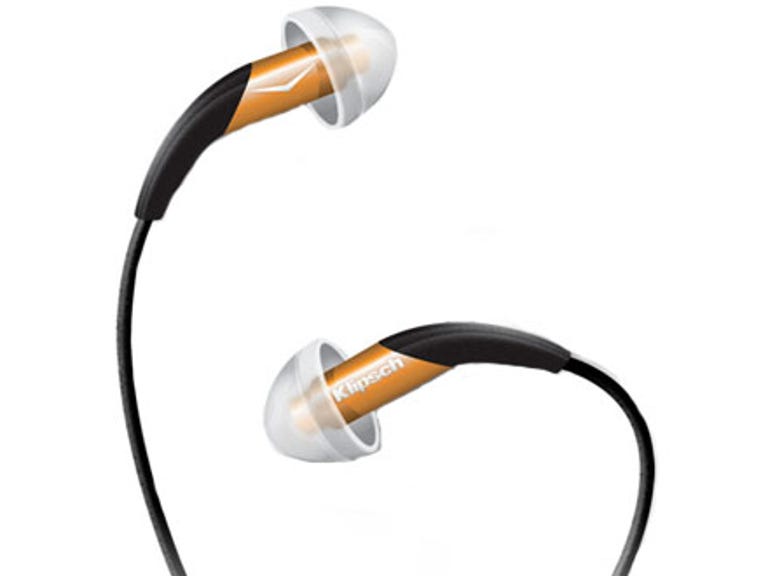
Klipsch Image sound-isolating earphones
The Good
The Bad
The Bottom Line
The Images cost a not-light-on-the-pockets £200 -- a price point dominated by renowned high-end manufacturers such as Denon and Shure. Is there room for one more?
Design
Klipsch has engineered these tiny earphones to be as unintrusive as possible. If you've ever suffered 'ear fatigue' from listening to earphones for too long, the Images will help you out by going practically unnoticed.
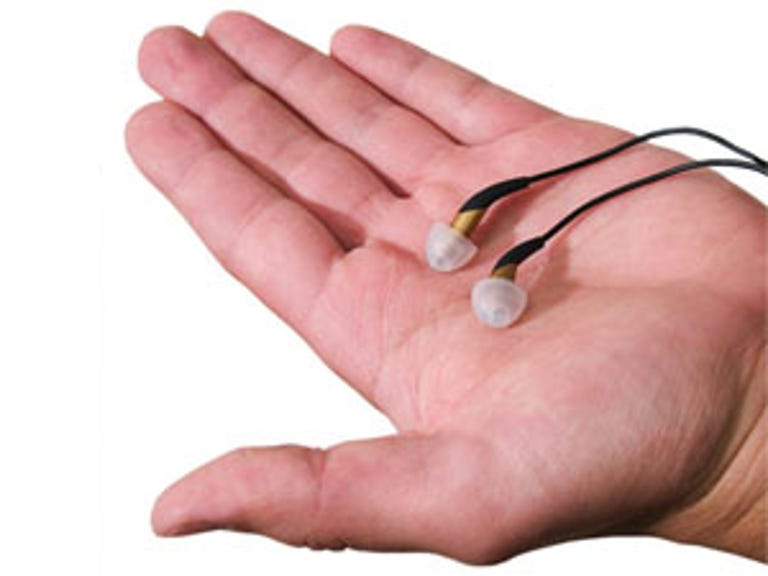
In part, their subtle nature is due to their minuscule aluminium enclosures, which are insanely lightweight, streamlined and compact. It's also because of their silicon tips -- supplied in various sizes -- that delicately conform to the shape of the ear canal to ensure a tight seal without becoming a burden.
We wore the lightweight Images for hours on end without once feeling discomfort, ache or fatigue -- truly remarkable for any earphone. Lightweight too is the coated cabling, which doesn't pull on the earphones as you walk.
Features
Aside from being comfortable, these earphones feature full range micro-armatures in each ear. Klipsch refused to comment on specific frequency responses, claiming there's a "lack of a standard[s] for measuring frequency response in earbuds". From our testing, we put response between 21Hz-19KHz.
In the box, you'll find a range of silicon tips to ensure a good fit, and a tool for removing ear wax from them. A rock-solid case is included for carrying both iPod and earphones, but a smaller case is included exclusively for protecting the Images.
Performance
Now for the good stuff. As well as being probably the most comfortableearphones we've ever worn -- and we've worn more than we can count --they also isolate sound wonderfully, especially considering their tipsare so soft. In an office environment with some light rock playing at amedium volume, only our heaviest keystrokes were audible, and voices,the air conditioning and the guy who keeps coughing two rows back wereall but non-existent.
We were struck by the Images' warm voice; the powerful mid-range is backed up by a well-balanced upper bass. Listening to Infected Mushroom's trippy Albibeno, we felt the full thump of the meaty kick drum, though lacking was the deep sub-bass boom heard through Denon's bass-tastic AH-C751s.
But the best was still to come. When we moved to Jenny Owen Youngs' stunning debut album Batten The Hatches,we heard the Images' strength with vocals and acoustic music. Thewarmth we hinted at before does nothing special for electronica, butwith a singer/songwriter recording, it conveys the mood of guitarstrings, double bass, violins and vocals beautifully.
This prowess in the mid range and upper bass comes at theexpense of the treble, which is left lacking the high-end finesse thatmakes things like tambourines, crash cymbals and tight steel guitarstrings really sparkle. You're left with a slightly less open, lesstransparent sound; you feel like you're just hearing a recording, asopposed to actually being there in the studio when it was recorded.
If you generally find you can pick out the MP3-compressed song from the lossless FLACversion, you might find your job is harder through the Images, as theirweaker abilities in the treble allows a lossily- compressed song toslip through without notice. Don't care? Then you can ignore this, ourmost important criticism.
Conclusion
If you're looking for what may be the mostcomfortable earphone in the world for almost everyone, look no further.Combine that with performance that will please that same generalpopulous, and you've got a solid earphone. Our main complaint is a lackof fine detail in the high end. But if you're prepared to sacrificethis for otherwise great performance and unrivalled comfort, make sureyou try out the Klipsch Images.
But remember, you're paying a premium for the tiny size. Shure's SE530ssound better and have skull-crushing bass alongside piercing treble,with their three separate drivers in each ear. They cost about thesame, but you'll have to put up with their intrusive and unusualwearing technique.
Edited by Shannon Doubleday