


With all the hype surrounding the new Kindle Fire and Nook Tablet, and favorites such as the iPad 2 and Asus Transformer, it's easy to forget that there are still new Windows tablets hitting stores. In fact, Windows tablets have been around for years, both as low-key industrial tools and as disappointingly underpowered consumer products.
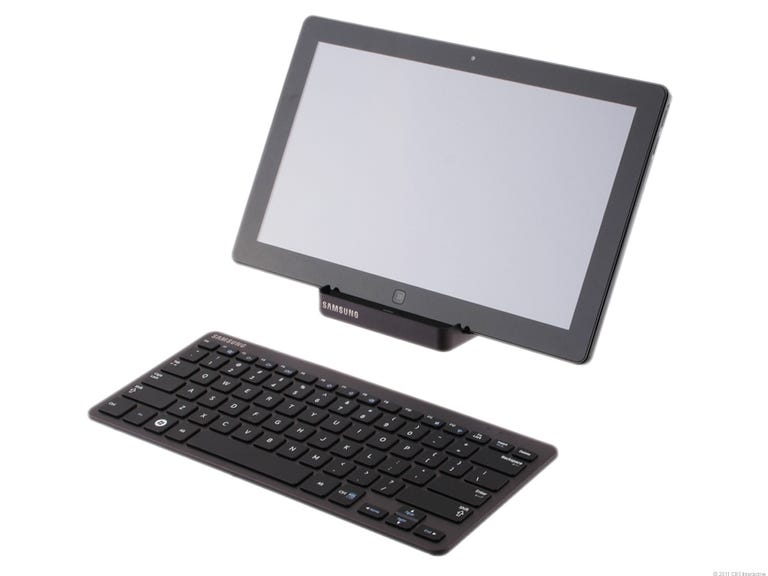
Samsung Slate PC
The Good
The Bad
The Bottom Line
Samsung has expanded its Series 7 line of products into tablet territory, calling its versions the Series 7 Slate 700T. Like the Asus EP121, it includes an Intel Core i5 processor, making it a much more useful device than the underpowered Intel Atom tablets that failed to impress us over the past few years. The downside is that both this and the Asus version are much more expensive than the current best-selling tablet, Apple's $500 iPad.
That said, when combined with its optional Bluetooth keyboard and docking stand, the Series 7 Slate is a tidy, powerful package, but those extras will run you $180 on top of the system's premium $1,349 price. At least that includes a 128GB SSD drive. For $1,099, you can get the same machine with a smaller 64GB drive.
The real competition here in one sense isn't the iPad, but the new generation of ultrabooks, which are thin, light, and just as powerful. Some, such as the Toshiba Portege Z835, also pack in a 128GB SSD, but for a lot less: $799.
But those systems lack the Slate's touch screen, as well as Samsung's optional custom tile-based UI, which looks like a cross between Android and the upcoming Windows 8. Unfortunately, like nearly all Windows tablets, onscreen typing is a pain, exacerbated by a finicky Swype-branded onscreen keyboard app. No one has yet made a Windows tablet that works as seamlessly and simply as advertised, and aside from the nice custom UI, nothing here greatly changes our perception of the field.