

Apple makes some of the best wireless earbuds and headphones on the market. That includes models from Beats, which Apple acquired several years ago (we haven't included any of the best Beats headphones and earbuds on this list because they aren't named AirPods and only the Beats Fit Pro uses Apple's H1 chip).
Our Picks
Why I like them
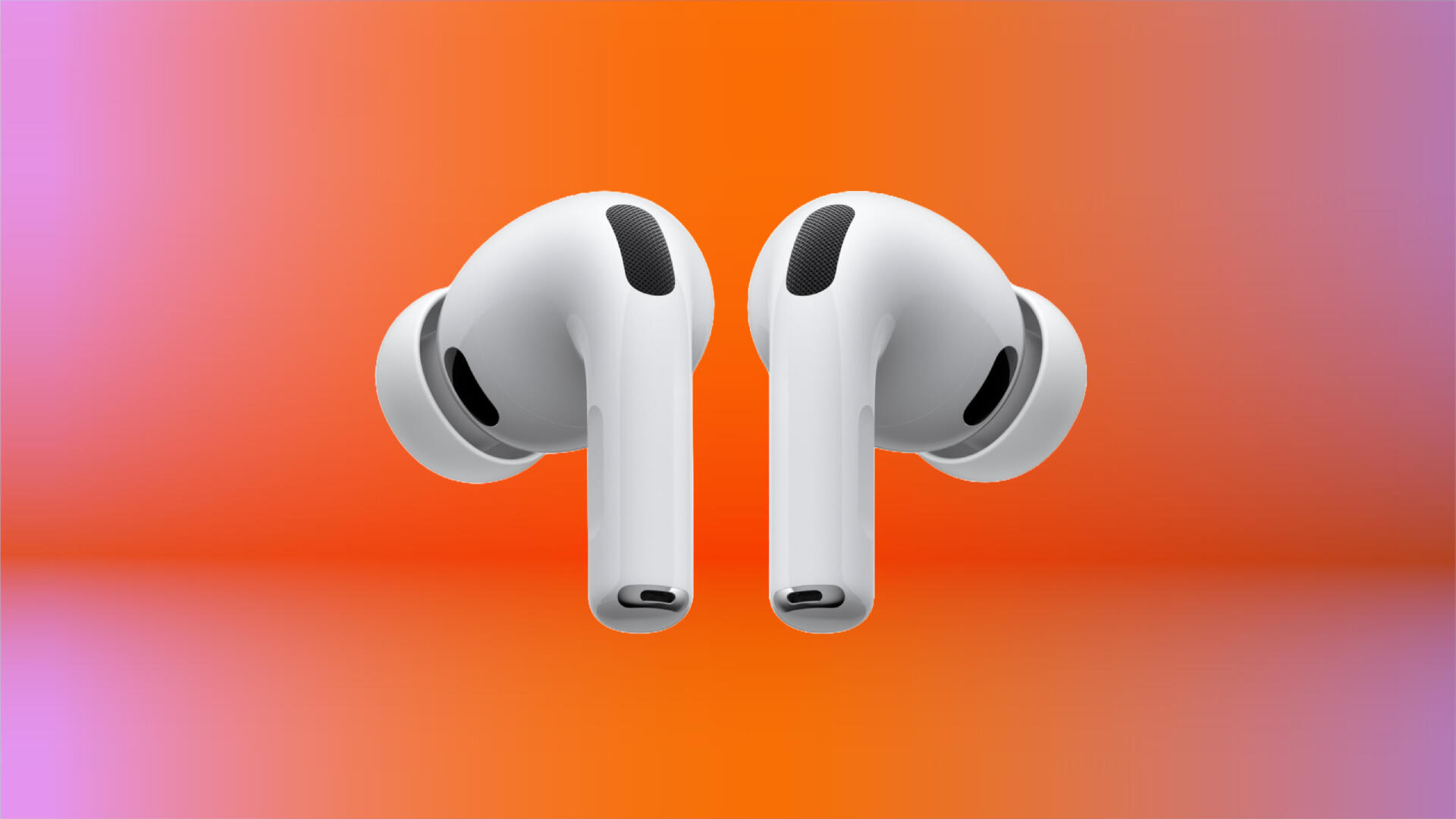
While I didn't get a new H3 chip and I was hoping that the charging case would be able to convert into a Bluetooth transceiver to use the buds on a plane with an inflight entertainment system, I did get most of what I was looking for in the AirPods Pro 3. The changes may seem incremental to some folks, but all the key elements such as fit, sound quality and noise cancellation have been noticeably leveled up along with single-charge battery. They're about as close as earbuds get to being complete: excellent noise cancellation, strong voice-calling performance and sound quality that rivals the very best. Few buds excel in all three areas -- and the Pro 3s manage it while packing in plenty of extra features, including their new heart-rate monitoring feature. Read my full review.
Pros
- Design upgrades to the buds and ear tips improve their fit
- Noise cancellation has been upgraded and is now top-notch
- They sound better with improved bass response and more clarity
- Built-in heart-rate monitoring with new sensors
- Excellent voice-calling performance (upgraded microphones)
- Battery life rated for up to 8 hours (up from 6 for AirPods Pro 2)
Cons
- They still use the H2 chip found in the AirPods Pro 2
- Heart-rate monitoring is buried in fitness apps
- While they work with Android, many of their features are exclusive to Apple devices
- Some new colors would be nice
Pros
- Lightweight, more compact design and comfortable fit (should fit more ears securely than Airpods 3)
- First open earbuds with effective Active noise canceling (ANC)
- Improved sound quality with new acoustic architecture
- Equipped with Apple's powerful H2 chip that enables a robust feature set and faster digital processing
- Compact case has wireless charging and speaker for Find My (missing from entry-level model, however)
Cons
- Even with slightly smaller design, the buds may not be a good fit for some ears
- Battery life could be a little better
- Noise-canceling is only about half as good as the AirPods Pro's ANC

Pros
- Surprisingly comfortable for their weight (0.85 pounds) thanks to mesh canopy headband design a good weight distribution
- Impressive sound quality with tight bass, natural mids, crisp highs and a wide soundstage
- Excellent noise-canceling and a top-notch transparency mode that sounds very natural
- They now offer USB-C audio for wired listening
- Very good voice-calling performance
- Spatial audio virtual surround for iPhones and iPads is a nice bonus feature
- Automatic switching between iOS devices on your iCloud account (multipoint Bluetooth)
- Well-implemented digital crown for volume and playback control
Cons
- Quite expensive and fairly heavy
- Purse-like case is weird looking and doesn't offer as much protection as it should
- No 3.5mm cable included for wired use on planes (optional cable costs $39)
- Android users lose several key features
- Equipped with Apple's H1 chip, not the newer H2

Why I like them
Pros
- Lightweight, more compact design and comfortable fit (should fit more ears securely than Airpods 3)
- Improved sound quality with new acoustic architecture
- Equipped with Apple's powerful H2 chip that enables a robust feature set and faster digital processing
- Compact case
- Very good voice-calling performance
Cons
- No wireless charging and speaker in charging case for Find My
- Even with slightly smaller design, the buds may not be a good fit for some ears
- Battery life could be a little better
HEADPHONE DEALS OF THE WEEK
- $200 (save $49)
- $248 (save $152)
- $170 (save $181)
- $398 (save $62)
Most recently, Apple introduced the AirPods Pro 3, which improve upon the AirPods Pro 2 in several ways (read our full review to find out how much they've improved). They are the best Apple AirPods you can buy if you don't mind having silicone eartips jammed in your ears. I've tested and fully reviewed all of Apple's headphones and earbuds that are on this list. We also keep a close eye on their prices so we can bring you the best deals on every AirPods model.
Read more: AirPods Pro 3 vs. AirPods Pro 2 -- should you upgrade?
What We Updated: September 2025
We added the Apple AirPods Pro 3 and removed the AirPods Pro 2.
Best Apple AirPods for 2026


Pros
- Design upgrades to the buds and ear tips improve their fit
- Noise cancellation has been upgraded and is now top-notch
- They sound better with improved bass response and more clarity
- Built-in heart-rate monitoring with new sensors
- Excellent voice-calling performance (upgraded microphones)
- Battery life rated for up to 8 hours (up from 6 for AirPods Pro 2)
Cons
- They still use the H2 chip found in the AirPods Pro 2
- Heart-rate monitoring is buried in fitness apps
- While they work with Android, many of their features are exclusive to Apple devices
- Some new colors would be nice
Why I like them
While I didn't get a new H3 chip and I was hoping that the charging case would be able to convert into a Bluetooth transceiver to use the buds on a plane with an inflight entertainment system, I did get most of what I was looking for in the AirPods Pro 3. The changes may seem incremental to some folks, but all the key elements such as fit, sound quality and noise cancellation have been noticeably leveled up along with single-charge battery. They're about as close as earbuds get to being complete: excellent noise cancellation, strong voice-calling performance and sound quality that rivals the very best. Few buds excel in all three areas -- and the Pro 3s manage it while packing in plenty of extra features, including their new heart-rate monitoring feature. Read my full review.
Reasons to buy
As I said, these buds are significantly improved in the four most important areas: fit, sound quality, noise cancellation and battery life. The result is that you don't feel like you're making any compromises when buying the AirPods Pro 3 if you're an Apple user.
Reasons to skip/keep looking
While they work with Android devices, you lose many of the AriPods 3's extra features if you're not using them with Apple devices and its iPhones and iPad in particular. They also may just be a little too expensive for many folks.


Pros
- Lightweight, more compact design and comfortable fit (should fit more ears securely than Airpods 3)
- First open earbuds with effective Active noise canceling (ANC)
- Improved sound quality with new acoustic architecture
- Equipped with Apple's powerful H2 chip that enables a robust feature set and faster digital processing
- Compact case has wireless charging and speaker for Find My (missing from entry-level model, however)
Cons
- Even with slightly smaller design, the buds may not be a good fit for some ears
- Battery life could be a little better
- Noise-canceling is only about half as good as the AirPods Pro's ANC
Why I like them
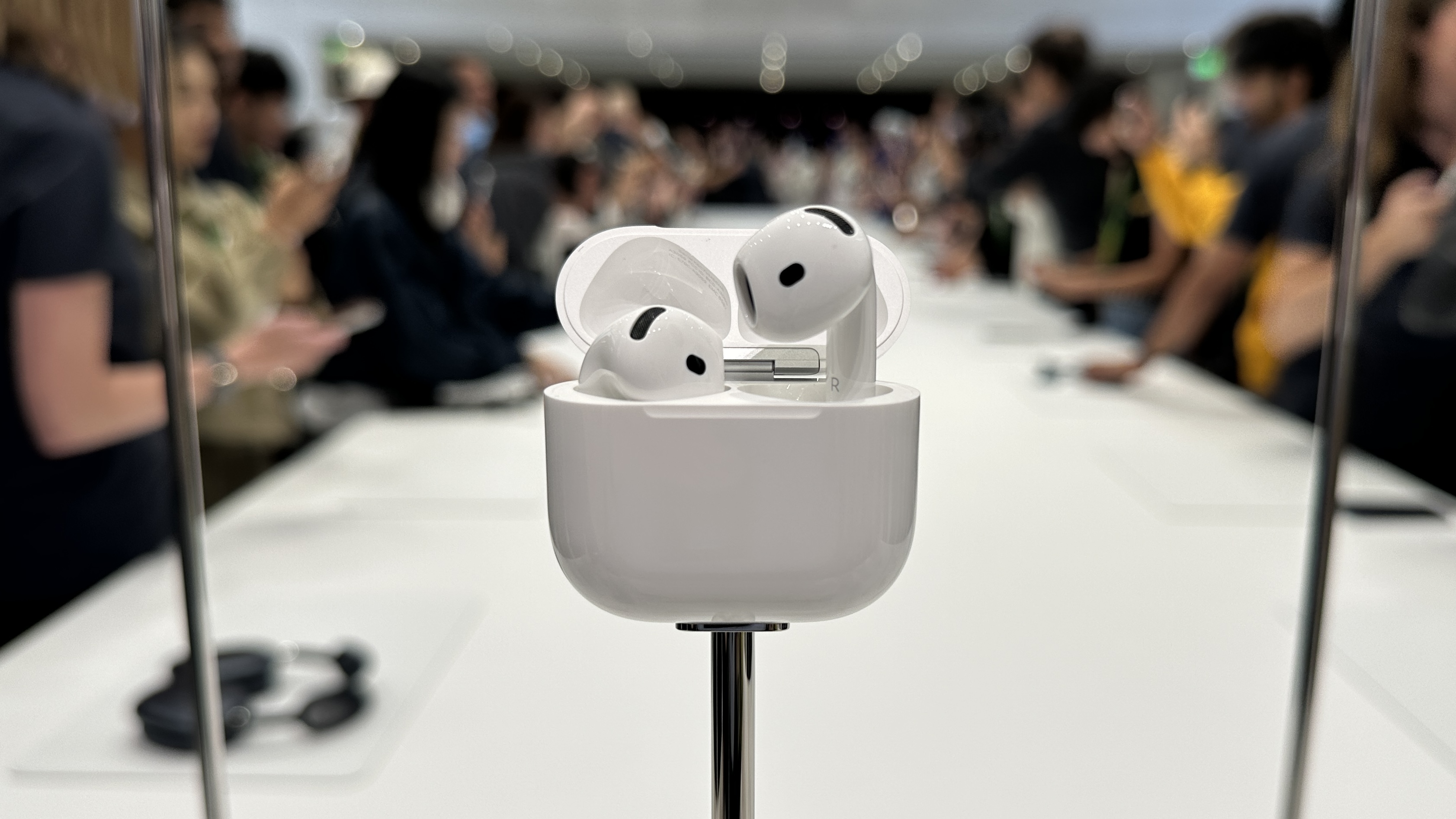
The AirPods 4 are, unsurprisingly, the fourth generation of Apple's original true-wireless earbuds that feature an open design, which means they don't have silicone ear tips like the AirPods Pro 3. Not only do they feature a slightly smaller design and better sound than their predecessor, but they're equipped with Apple's H2 chip that improves overall performance and powers Apple's ever-expanding AirPods features, though they don't have the AirPods Pro 2's Hearing Aid mode. Read my Apple AirPods 4 review.
The AirPods 4 come in two versions: a $129 entry-level model and a $179 step-up model with active noise canceling. ANC is a rare feature for open earbuds because it typically doesn't work with an open design. These are the first open buds I've tried with active noise canceling that actually works (it's about half as strong as the AirPods Pro 2's noise canceling and 25% as strong as the AirPods Pro's 3). That's pretty cool and worth the extra $50 if you can afford it.
Reasons to buy
A lot of people don't like having ear tips jammed in their ears and find open earbuds more comfortable (plus, you can hear the outside world for safety reasons), and the AirPods 4 are made for those Apple users. They also sound very good for open earbuds and feature excellent voice-calling performance along with Apple's spatial audio and likable pinch controls. The AirPods 4 with Active Noise Canceling are more special simply because of that noise canceling, yet those capabilities aren't that great compared to the AirPods Pro 3 and top noise-canceling earbuds like the Bose QuietComfort Ultra Earbuds (2nd Gen) or the Sony WF-1000XM5. Still, it's reasonably effective, which is kind of wild because noise canceling and open earbuds usually aren't a good mix.
Reasons to skip/keep looking
While their slightly smaller, updated design fits a wider range of ears more securely, some folks may not get a secure fit. The AirPods Pro 3 offer a more flexible fit because they include five different sizes of ear tips. They also deliver better sound with more bass in a noise-isolating design (the AirPods Pro 3's excellent noise canceling is significantly better than that of the AirPods 4 with ANC).


Pros
- Surprisingly comfortable for their weight (0.85 pounds) thanks to mesh canopy headband design a good weight distribution
- Impressive sound quality with tight bass, natural mids, crisp highs and a wide soundstage
- Excellent noise-canceling and a top-notch transparency mode that sounds very natural
- They now offer USB-C audio for wired listening
- Very good voice-calling performance
- Spatial audio virtual surround for iPhones and iPads is a nice bonus feature
- Automatic switching between iOS devices on your iCloud account (multipoint Bluetooth)
- Well-implemented digital crown for volume and playback control
Cons
- Quite expensive and fairly heavy
- Purse-like case is weird looking and doesn't offer as much protection as it should
- No 3.5mm cable included for wired use on planes (optional cable costs $39)
- Android users lose several key features
- Equipped with Apple's H1 chip, not the newer H2
Why I like them
In late 2024, Apple updated the AirPods Max with USB-C charging -- instead of Lightning -- and added new color options, but didn't upgrade the headphones in any other ways that we're aware of. Yes, they're expensive, but the AirPods Max deliver impressive sound quality, excellent noise canceling, very good voice-calling performance, as well as high-end build quality (aluminum ear cups and stainless steel telescoping arms) and Apple's virtual surround spatial audio feature with head tracking. While they're heavy, they manage to be surprisingly comfortable, though I did have to adjust the mesh canopy headband to sit a little more forward on my head to get a comfortable, secure fit when I was out walking with them. It's also worth noting that Apple enabled USB-C audio for the AirPods Max in March of 2024. Read my review of the original Lightning-enabled AirPods Max.
What that means is that you can use the included USB-C charging cable to connect the headphones to your USB-C-equipped PC, phone or tablet to get lossless audio (the sound quality is slightly improved with wired listening, especially if you're listening to lossless audio files). While Apple doesn't include a USB-C-to-3.5mm cable -- yes, such a cable should be included with headphones that cost this much -- it will sell you one for $39.
Reasons to buy
Yes, they're pricey, but the AirPods Max remain top-notch noise-canceling headphones that are right there with Sony's and Bose's flagship models. Like other AirPods, they have some Apple-only features, including spatial audio with head-tracking and automatic switching between Apple devices, that Apple users will appreciate.
Reasons to skip/keep looking
While the AirPods Max were updated with USB-C connectivity, which has some advantages, they haven't been substantially upgraded since their release in 2020. I'd like to see them at least updated with Apple's more powerful H2 chip (they're equipped with the H1 chip), which delivers some additional features and is available in the AirPods Pro 2, AirPods Pro 3, and AirPods 4 and AirPods 4 with ANC. Could we get an AirPods Max 2 in 2026? Maybe.


Pros
- Lightweight, more compact design and comfortable fit (should fit more ears securely than Airpods 3)
- Improved sound quality with new acoustic architecture
- Equipped with Apple's powerful H2 chip that enables a robust feature set and faster digital processing
- Compact case
- Very good voice-calling performance
Cons
- No wireless charging and speaker in charging case for Find My
- Even with slightly smaller design, the buds may not be a good fit for some ears
- Battery life could be a little better
Why I like them
While I think the AirPods 4 with Active Noise Cancellation are more special since they're the first open buds (no silicone tips) I've tried to have active noise canceling that actually works, the standard AirPods 4 ($129) certainly have their appeal, especially when they cost closer to $100 during flash sales. They may not be quite as cheap or as small as the AirPods 2, but they sound a lot better and have more features. While they're missing the ANC and wireless charging of the step-up AirPods 4 with ANC, they're also equipped with Apple's H2 chip that improves overall performance and powers Apple's ever-expanding AirPods features, and are among the best-sounding open earbuds. Read my Apple AirPods 4 review.
Reasons to buy
If you're just looking for the latest AirPods at the most affordable price, the AirPods 4 are it. They're designed for Apple users who don't like having ear tips jammed in their ears and find open earbuds more comfortable (plus, you can hear the outside world for safety reasons). As I said, they sound very good for open earbuds and feature excellent voice-calling performance along with Apple's spatial audio and likable pinch controls.
Reasons to skip/keep looking
While their slightly smaller, updated design fits a wider range of ears more securely, some folks may not get a secure fit. The AirPods Pro 3 offer a more flexible fit because they include five different sizes of ear tips. They also deliver better sound with more bass in a noise-isolating design (the AirPods Pro 3's excellent noise canceling is significantly better than that of the AirPods 4 with ANC).
Factors to consider when choosing AirPods
Design
The AirPods come in three styles: open earbuds (AirPods 3 and AiPods 4), noise-isolating earbuds with noise canceling (AirPods Pro 2) and over-ear headphones (AirPods Max). Some people like the standard AirPods because they have an open design and don't require you to jam silicone ear tips into your ears. Note that the discontinued AirPods 2, which are based on the original AirPods design, have longer stems and slightly smaller buds than the AirPods 3. The new AirPods 4 are slightly more compact than the AirPods 3 but slightly larger than the AirPods 2. Meanwhile, the Beats Fit Pro has built-in wingtips that may help you get a more secure fit. Newer models also feature USB-C charging ports to better align with the rest of Apple's new charging ecosystem, replacing the long-used Lightning port.
Budget
Before anything else, you'll want to figure out how much you're willing to spend on new AirPods. The quality of value-priced AirPods continues to improve as more models release, so you can often find good affordable AirPods on sale for less than $100. The premium models, which offer better build quality and performance, tend to cost $300 or more -- sometimes much more in the case of the AirPod Max.
Fit
It's key that the AirPods you buy fit your head well. They should offer a comfortable fit that's snug yet not too snug. Ideally, you want headphones you can wear throughout the day with minimal breaks. Consider the differences between in-ear and over-ear AirPods before buying.
Durability
You want headphones that hold up well over time, so look for AirPods models that we note have sturdy build quality.
AirPods or Beats earbuds and headphones?
Because Apple owns Beats, the various AirPods models and Beats models can share similar components and features. Beats products tend to be geared to both Apple and Android users, while the AirPods tend to be focused more toward Apple users (they have more exclusive features for Apple users), although they can be paired with Android devices.
Return policy
Because the fit of your earbuds is so important, it's critical to buy your buds at a retailer that has a good return policy, in case the buds aren't a good match for your ears.
Apple earbuds and headphones price comparison
Comparisons for the prices of each AirPods model on this list
| Model | Apple store price | Best price right now | Best all-time price |
|---|---|---|---|
| AirPods 4 | $129 | $119 | $89 |
| AirPods 4 with ANC | $179 | $19 | $139 |
| AirPods Pro 3 | $249 | $249 | $239 |
| AirPods Max | $549 | $449 | $395 |
| Beats Studio Buds Plus | $170 | $100 | $100 |
| Beats Studio Pro | $350 | $136 | $136 |
| Beats Solo Buds | $80 | $80 | $80 |
How we test wireless Apple AirPods
Along with all of our wireless headphones and earbuds, we test Apple AirPods based on six key criteria: design, sound quality, noise-canceling performance, voice-calling performance, features and value.
Design
We assess not only how comfortably the AirPods fit (their ergonomics) but also their build quality and how well the controls are implemented. With wireless headphones and earbuds, we'll note if they're water-resistant, but only a few full-size headphones have water- and dust-resistance ratings, which is especially important for workout headphones you may take to the gym or on a run.
Sound quality
We evaluate sound quality by listening to a set playlist of music tracks and comparing headphones to top competing products in their price range. Sonic traits such as bass definition, clarity, dynamic range and how natural the headphones sound are key factors in our assessment.
Noise-canceling performance
If the AirPods we're testing feature active noise canceling, we evaluate ANC performance by wearing the headphones in the same spot indoors near a noisy HVAC unit to see how well they do at muffling lower frequencies. Then we head out onto city streets to test the headphones in a real-world environment where we see how they do at muffling not only street noise but also people's voices. Those that are able to reduce the most amount of ambient noise are noted and rated highly on this list.
Extra features
Some great-sounding AirPods aren't loaded with features, but we do take into account what extra features are on board. These include everything from quick-access awareness through a double tap to transparency modes (your music pauses and the headphones open up to the outside world so you can have a conversation) to special sound modes to ear-detection sensors that automatically pause your music when you take the headphones off your ears. The newest models even incorporate hearing health metrics with hearing tests and a new hearing aid mode. We also take a look at the companion app for the AirPods if there is one and how user-friendly it is and wireless charging capabilities.
Voice-calling
When we test voice-calling performance, we make phone calls on noisy city streets and evaluate how well the AirPods reduce background noise and how clearly callers can hear our voices. Call quality is a key metric in today's work-from-home world, so we're sure to assess this feature in several fields.
Value
We determine value after considering the strength of the AirPods against all these criteria and what they're able to deliver compared with other models in their price class. Some models require additional purchases, like a wireless charging case, to get the most out of their features, so we take those needs into account, too.
Other AirPods we tested
AirPods 3: With the arrival of the AirPods 4, Apple is phasing out both the AirPods 3 and AirPods 2. As a result, you may see some nice discounts on the third-generation AirPods as they exit the market. Slightly larger than the AirPods 4, they have better battery life than their successor and their case has wireless charging (only the step-up AirPods 4 With Active Noise Cancellation have wireless charging). But with improved sound quality and Apple's more advanced H2 chip, the AirPods 4 -- even the entry-level model -- is superior to the third-generation AirPods.
Beats Studio Buds: The Beats Studio earbuds often sell for $150 and offer decent sound and performance. The new Studio Buds Plus is a significant upgrade, with better sound, noise canceling and voice-calling performance, so we recommend users buy those instead.
AirPods 2: The AirPods 2 are an incremental upgrade to an already excellent, fully wireless headphone, but sound quality, design and fit are basically the same. Such incremental upgrades tend to be a little boring. And on the surface anyway, the new AirPods aren't exciting. However, thanks to those updated components on the inside, including a new H1 chip that supports Bluetooth 5.0, improved audio synchronization and always-on Siri, they're definitely better in small ways that a lot of people will appreciate.
Beats Flex: Yes, these are "wired wireless" earbuds -- with a cable connecting the left and right earbud, but they're also the most affordable wireless Apple headphones you can buy (Beats is a subsidiary of Apple). Equipped with Apple's older W1 chip, not the H1 found in the AirPods 3rd Generation, AirPods Pro and Beats Fit Pro, they don't have such extra features as spatial audio. However, they sound good and work well for making voice calls.
