


No matter your lifestyle or budget, Samsung has a range of phones to fit what you're looking for. From baseline options like the Galaxy S25 and S25 Plus (or the newer S26 and S26 Plus) to more premium picks like the Galaxy S26 Ultra, you can get solid performance, good cameras and long-lasting batteries regardless of how much you spend. For a novel design, you can choose Samsung's pricier Galaxy Z Flip 7 and Z Fold 7, or even the super-slim Galaxy S25 Edge. And for a more affordable option, Samsung's A26, A36 or A56 might be a good fit. Our roundup can help you find the phone that best fits your needs.
Our Picks
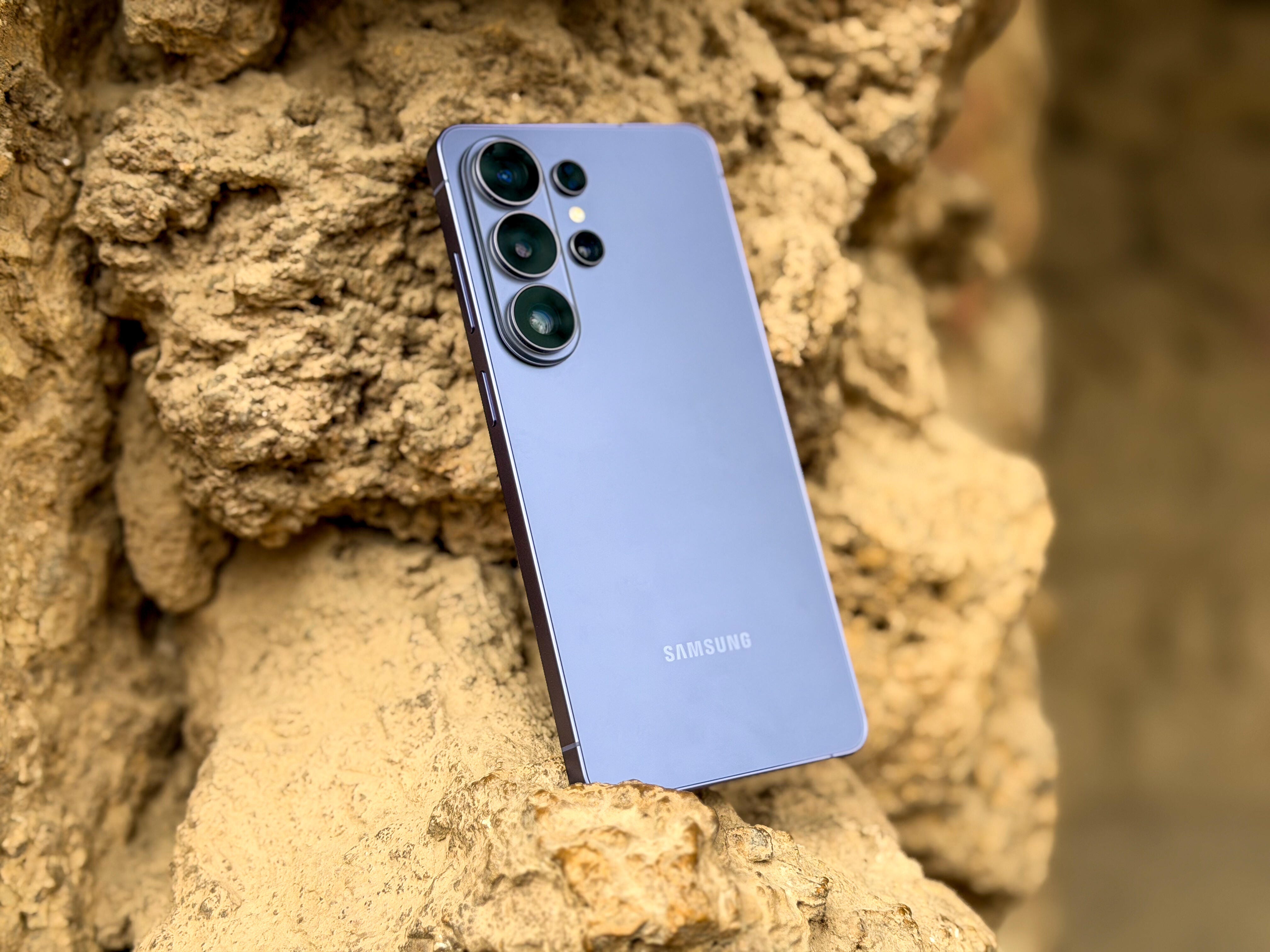
The Samsung Galaxy S26 Ultra isn't a radical upgrade from the S25 Ultra, but there are improvements where it counts. It's the thinnest and lightest Ultra, at 7.9mm thick and 214 grams -- an admittedly minor slim-down that's still noticeable.
Pros
- Innovative Privacy Display
- Long-lasting battery
- Intuitive AI features
- Consistently great cameras
Cons
- Some inconsistent AI features
- No magnetic wireless charging
- Many of the same specs as the S25 Ultra
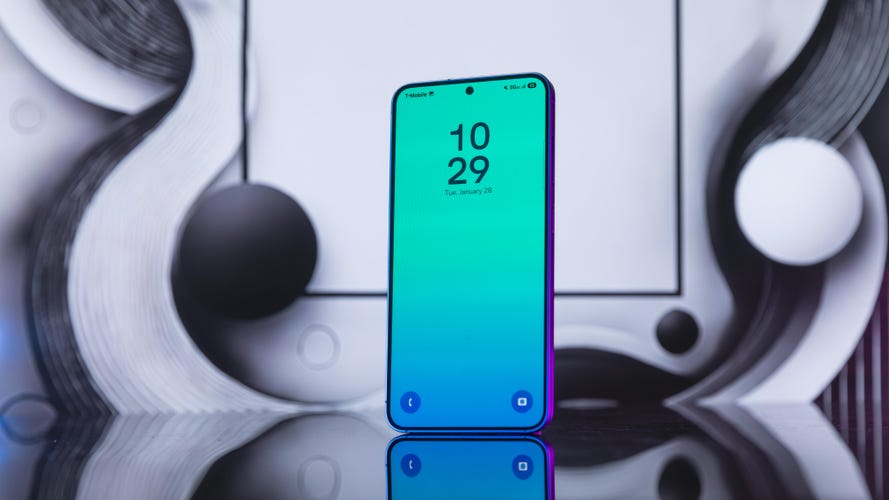
Editors’ Note: The Galaxy S25 has been superseded by the S26, but with a lack of hardware upgrades and a $100 price hike to boot (albeit with a higher 256GB base storage level), it’s difficult to recommend over last year’s model. Plus, new software and AI capabilities on the S26 lineup are sure to eventually make their way to the S25 via One UI 8.5.
Pros
- Camera consistently delivers good images
- Impressive battery life
- More AI features feel practical
Cons
- Several gimmicky AI features
- Not many changes from the S24
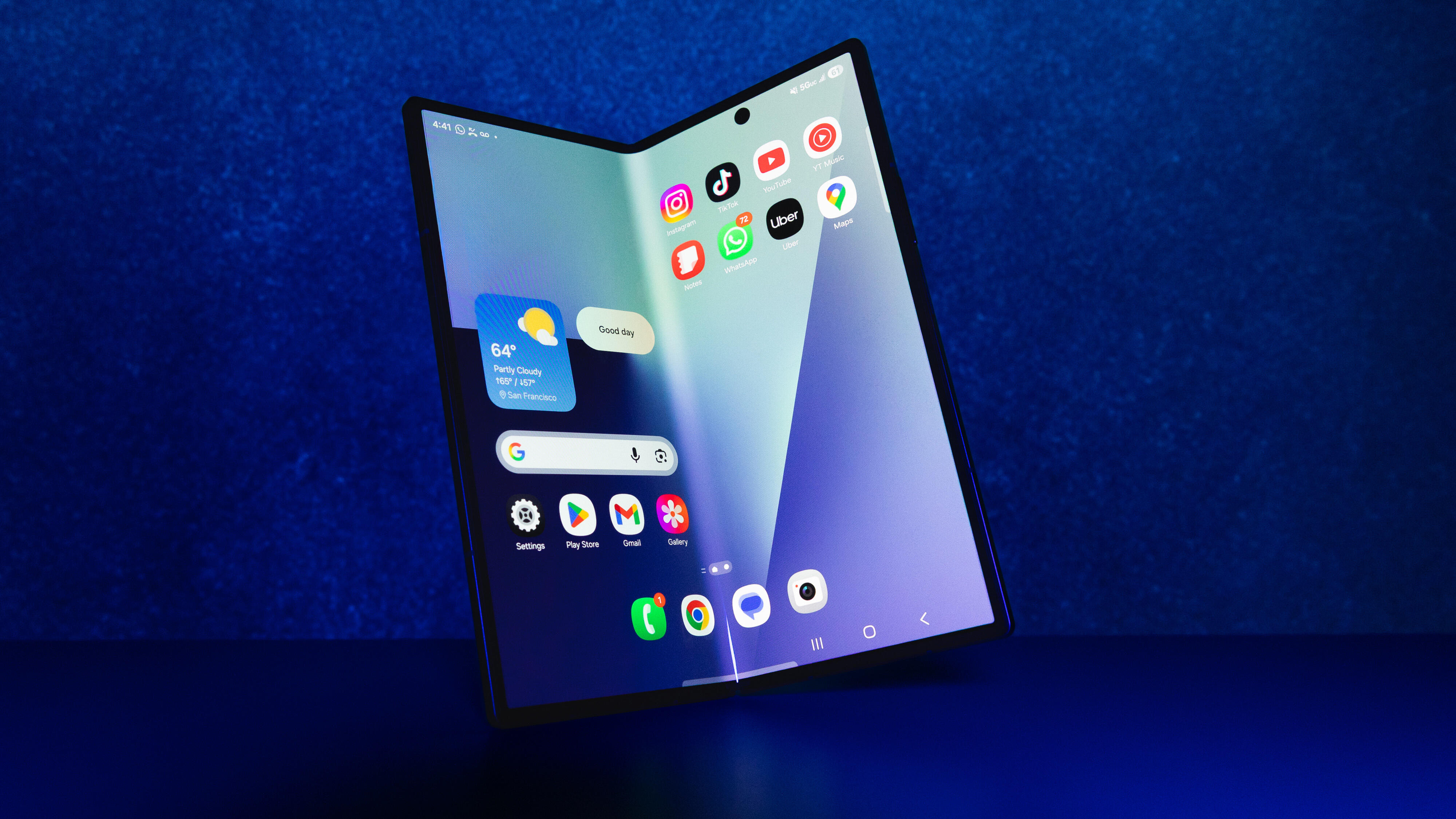
With the Galaxy Z Fold 7, Samsung has finally addressed some of the key issues with its previous book-style foldables. The impressively thin build and wider, 6.5-inch cover screen makes this feel like a standard phone when closed, and that wider 8-inch inside display is great for multitasking, with the ability to run up to three apps simultaneously. Perhaps most notably, the camera gets a major upgrade with the addition of a 200-megapixel main camera, which takes shots on par with the top-of-the-line S25 Ultra.
Pros
- Thin 4.2mm design
- 200-megapixel main camera
- Powerful Snapdragon 8 Elite processor
- Durable build
Cons
- Steep $2,000 price tag
- Same 4,400-mAh battery as last year's Fold
- 25-watt wired charging

When I first got my hands on Samsung's new Galaxy Z Flip 7, I was delighted to discover that it has a smaller crease, larger cover screen, thinner design and bigger battery compared to last year's Galaxy Z Flip 6. But as I tested the new clamshell phone, I became enthralled by its inner screen. At 6.9 inches, this is the biggest screen on any Samsung phone aside from the Galaxy Z Fold 7, which has an 8-inch foldable display.
Pros
- The 6.9-inch screen is immersive, with lovely colors and contrast
- The 4.1-inch screen looks incredible
- It's durable and survived a drop onto concrete
- One UI 8 (Android 16) runs wonderfully
- $1,100 is still a lot, but Samsung gives the phone more value than the Flip 6
Cons
- Gets warm when recording videos and playing games
- Battery life is the same as the Flip 6 despite a bigger battery
- Cover screen software has room to grow

Editor's Note: Samsung has also released the Galaxy A16 and Galaxy A17.
Pros
- Excellent software and security support
- 25-watt wired charging
- Eye-catching light blue option
Cons
- Slow performance
- Single audio speaker
- Mediocre photography
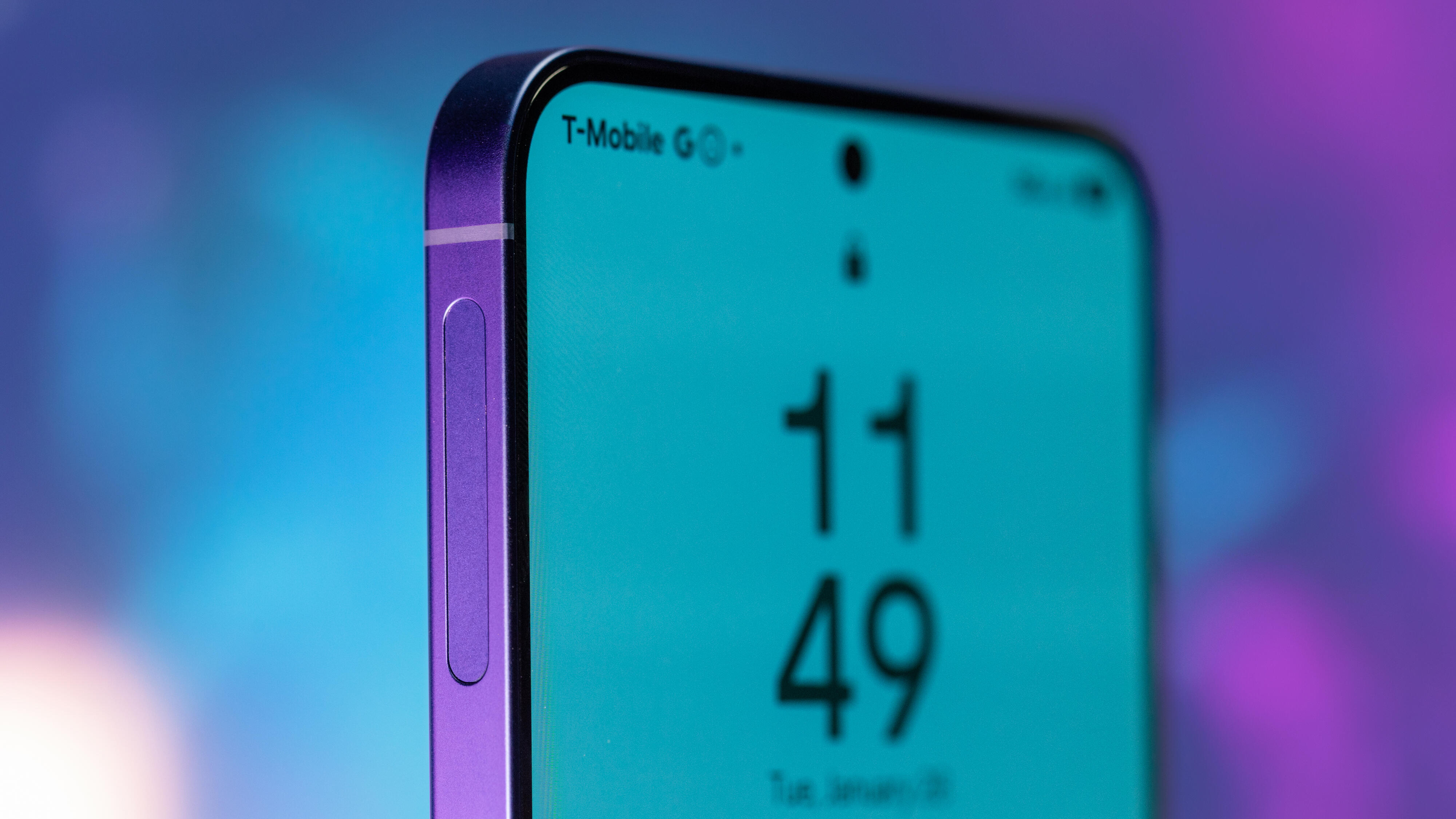
If the baseline Galaxy S25 appeals to you but you'd rather have a bigger screen and higher battery capacity -- without upgrading all the way to the Ultra -- the S25 Plus may be the phone for you. The entire S25 lineup shares many features, from AI capabilities to processing power to memory, so the Plus may be a viable choice if you're looking for something right in the middle.
Pros
- Lightning fast charging
- Nice big screen
- 7 years of OS and security upgrades
- Great performance with games, movies and animations
Cons
- Battery life is a day, similar to baseline S25
- Similar specs as the S25 at a higher price
- Rival phones at the same price have better cameras

The Galaxy S25 Edge is a unique offering -- one that doesn't necessarily cater to most people's top priorities like longer battery life and an affordable price tag, yet it still presents an alluring option with its slim frame and lightweight body. Thankfully, it doesn't scale back too much in the way of features and capabilities; it has a powerful Snapdragon 8 Elite processor and the same 200-megapixel main camera you'll find on the top-of-the-line S25 Ultra (although there's no telephoto lens).
Pros
- Lightweight design
- 200-megapixel main camera
- Durable titanium frame and Gorilla Glass front and back
- Powerful Snapdragon 8 Elite processor
- 12GB of RAM
Cons
- Mediocre battery life
- Only 25-watt wired charging
- Steep price tag
- Just two rear cameras
MOBILE DEALS OF THE WEEK
- $749 (save $250)
- $298 (save $102)
- $241 (save $310)
- $499 (save $300)
What is the best Samsung phone?
The Samsung Galaxy S26 Ultra -- priced at $1,300 -- comes packed with maximum features that, for most people, is more than necessary. For the rest of us, last year's $800 Galaxy S25 is a standout among its Galaxy counterparts. Even with the release of the S26, the S25 remains a solid pick because it has much of the same hardware, software and AI capabilities as it pricier (and newer) peers.
The Galaxy S25 has a very capable triple rear camera setup that is versatile in capturing bright outdoor scenes and candid moments inside under mixed lighting. Overall, the Galaxy S26 Ultra is ideal for Android fans who prioritize fast performance, versatile cameras and a spacious screen.
How to pick the right Samsung phone for you
Deciding which Samsung phone is right for you comes down to what you want in a phone and how much you're willing to spend. If you want the largest screen available on a standard Samsung phone, enjoy note-taking with a stylus and need a camera with a significantly closer zoom, the Galaxy S26 Ultra is the right choice. You'll also have to spend $1,300 unless you score a trade-in deal.
Those who don't need the stylus, prefer a more compact phone and still want a good camera should consider the Galaxy S25 or Galaxy S25 Plus. If you just want the basics, like a spacious screen, 5G and a decent camera, consider the Galaxy S25 FE. Those looking for the flashiest tech around -- and who also have deep pockets -- should consider the Galaxy Z Fold 7, Z Flip 7 or even the slightly cheaper Z Fold 7 FE.
Finding the best Samsung phone will ultimately come down to preference. Choosing among so many options can get complicated, so here's how to decide which Samsung phone is best for you. Refer to our phone buying guide for more tips on how to choose the right device.
Best Samsung phones in 2026

Pros
- Innovative Privacy Display
- Long-lasting battery
- Intuitive AI features
- Consistently great cameras
Cons
- Some inconsistent AI features
- No magnetic wireless charging
- Many of the same specs as the S25 Ultra
The Samsung Galaxy S26 Ultra isn't a radical upgrade from the S25 Ultra, but there are improvements where it counts. It's the thinnest and lightest Ultra, at 7.9mm thick and 214 grams -- an admittedly minor slim-down that's still noticeable.
The hardware advancement that steals the spotlight is the Privacy Display, which prevents others from seeing what's on your screen. Unlike a $10 screen protector you can buy from Amazon, you can toggle Privacy Display on for certain apps, like a banking app or your email, as well as your lock screen so no one sees your password or PIN. You can also enable it just for incoming notifications, so only part of your screen gets blacked out.
The S26 Ultra carries over the same camera specs as last year, but it consistently delivers high-quality images. Plus, a neat new Horizontal Lock feature when recording videos keeps the horizon level even as you rotate your phone 360 degrees, leading to astonishingly stable footage.
Why we like it
The S26 Ultra prioritizes hardware and software. Along with a thinner design and the Privacy Display, there's also a handful of new intuitive AI features. For instance, Now Nudge surfaces real-time suggestions based on what's on your screen, so if someone asks for photos from your trip, it'll automatically point you toward those images in your Gallery so you don't have to dig for them. And Document Scan will automatically appear when you're snapping a photo of a document to remove shadows and creases, then let you export the final product as a PDF. Plus, the S26 Ultra's battery can last well over a day and a half, which is a major perk.
Who's it best for
If you're a power user who likes having a larger display, a bigger battery and top-notch cameras -- as well as the signature S Pen -- the S26 Ultra is the way to go. It's a great choice for anyone who doesn't want to worry about charging their phone at the end of each day, as the battery can last well over a day and a half.
Who shouldn’t get it
The S26 Ultra keeps its $1,300 price, even amid a RAM shortage that threatens to raise phone prices. But that's still not pocket change. If you don't need the most high-end cameras and prefer a smaller device, the baseline S26 shares many of the same features as the Ultra, including the Snapdragon 8 Elite Gen 5 processor, plus all those AI features.


Pros
- Camera consistently delivers good images
- Impressive battery life
- More AI features feel practical
Cons
- Several gimmicky AI features
- Not many changes from the S24
Editors’ Note: The Galaxy S25 has been superseded by the S26, but with a lack of hardware upgrades and a $100 price hike to boot (albeit with a higher 256GB base storage level), it’s difficult to recommend over last year’s model. Plus, new software and AI capabilities on the S26 lineup are sure to eventually make their way to the S25 via One UI 8.5.
The Galaxy S25's biggest flex that I noticed while testing is it shares many of the same attributes as its pricier counterparts, the S25 Plus and S25 Ultra -- but it does so for several hundred dollars less. You'll find features like the AI Select tool, Audio Eraser and deeper Gemini integration across all of Samsung's S25 devices, as well as a custom Snapdragon 8 Elite processor and 12GB RAM -- making the smaller phone of the bunch still seem pretty mighty.
And while the Galaxy S25 might look incredibly similar to the S24 and share many of the same specs, consistency isn't so bad when it means there's a consistently good camera and great battery life. Read our full Samsung Galaxy S25 review.
Why we like it
Having a baseline phone, like the Galaxy S25, that delivers many of the same perks as more expensive models, is a huge plus in my book. And given the remarkable processing power, standout camera and seamless AI integration in the Galaxy S25 lineup, it's great that I can get all those premium features for $800.
Who it's best for
If you're someone who insists on buying a flagship device, the Galaxy S25 won't let you down. But if you have a device that's two years old or more, you might be enticed to tap into all the latest Galaxy AI and integrated Gemini features. Now, $800 isn't pocket change, and there are definitely other options for those who want to be more budget conscious but if you're willing to spend a bit more, the baseline S25 can be a great all-around choice.
Who shouldn’t get it
You probably don't need to upgrade if you're using last year's S24.


Pros
- Thin 4.2mm design
- 200-megapixel main camera
- Powerful Snapdragon 8 Elite processor
- Durable build
Cons
- Steep $2,000 price tag
- Same 4,400-mAh battery as last year's Fold
- 25-watt wired charging
With the Galaxy Z Fold 7, Samsung has finally addressed some of the key issues with its previous book-style foldables. The impressively thin build and wider, 6.5-inch cover screen makes this feel like a standard phone when closed, and that wider 8-inch inside display is great for multitasking, with the ability to run up to three apps simultaneously. Perhaps most notably, the camera gets a major upgrade with the addition of a 200-megapixel main camera, which takes shots on par with the top-of-the-line S25 Ultra.
Altogether, it’s a great choice if you want a bigger, tablet-like display without the bulk or a compromise on camera quality.
Why we like it
The Z Fold 7 does a solid job combining what's great about standard slate phones and what's great about foldables. It feels wonderfully normal to hold when closed, thanks to its sleek design and lightweight build. It also packs great cameras and has an expansive main display that's 11 percent bigger than last year's Z Fold 6.
Thankfully, a slimmer build doesn't force the battery to take a hit; the Z Fold 7 maintains that same 4,400-mAh battery as last year's foldable. That pales in comparison to batteries from Chinese competitors, but at least it's not a downgrade. The Z Fold 7 also packs a Snapdragon 8 Elite processor to power the many AI features you'll get onboard, from Galaxy AI photo and audio editing tools to Google's Gemini Live and Circle to Search. The phone also supports seven years of software and security updates.
Who it's best for
If you're bored of standard slate phones and want something that feels a little more exciting, the Galaxy Z Fold 7 is a great choice. The slim design and wider cover screen helps it to feel as normal as possible when closed, with the added perk of an expansive main display that's great for multitasking and watching videos. The cameras are also impressive for a foldable that's so thin.
Who shouldn't get it
The Z Fold 7's $2,000 price tag is perhaps its biggest caveat. Also, if you don't need a bigger display, it may not be worth the splurge. Ironically, the cover screen is so practical that you’ll rarely need to open the phone -- unless you’re watching movies or multitasking, in which case a phone like the Galaxy S25 Ultra might be a better fit.


Pros
- The 6.9-inch screen is immersive, with lovely colors and contrast
- The 4.1-inch screen looks incredible
- It's durable and survived a drop onto concrete
- One UI 8 (Android 16) runs wonderfully
- $1,100 is still a lot, but Samsung gives the phone more value than the Flip 6
Cons
- Gets warm when recording videos and playing games
- Battery life is the same as the Flip 6 despite a bigger battery
- Cover screen software has room to grow
When I first got my hands on Samsung's new Galaxy Z Flip 7, I was delighted to discover that it has a smaller crease, larger cover screen, thinner design and bigger battery compared to last year's Galaxy Z Flip 6. But as I tested the new clamshell phone, I became enthralled by its inner screen. At 6.9 inches, this is the biggest screen on any Samsung phone aside from the Galaxy Z Fold 7, which has an 8-inch foldable display.
The Z Flip 7's large screen size makes content feel more immersive and colors look lovely and vivid. This led to epic TikTok and Instagram sessions, watching widescreen films such as A Working Man and Back to the Future, as well as jumping between two apps stacked vertically on the screen thanks to One UI 8's 90:10 split tool.
Every time I open the Flip 7, I'm consistently dumbfounded by how such a large display can unfurl from something about the size of a makeup compact. And when it's closed, there's a 4.1-inch cover screen that's fantastic in its own ways, with new clever animations for when you're recording a video, charging the phone or taking a selfie, all efficiently using the extra display real estate. In terms of functionality, though, the cover screen's software is about the same as the 3.4-inch one on the Flip 6.
The Flip 7 impressed me in nearly every way but one: its battery life. It has a larger battery than the Flip 6, but it doesn't last any longer in daily use. It did consistently get me through a day on a single charge, often having 15% to 20% left, but there were also a few days where it needed an early evening top-off.
Why we like it
The Galaxy Z Flip 7 is the most fully realized version of Samsung's ideal of a flip phone since the launch of the original Galaxy Z Flip in 2020. The Flip 7's appeal is simple: It's a thin phone with a big, bold screen that folds in half into a coaster-sized square. The larger cover screen and inner screen make content more immersive. It's design is thin (for a clamshell foldable) and comfortable to hold. Plus you get twice the storage this year compared to last.
Who is it best for
If you've been tempted by a clamshell-style foldable, you should definitely consider the Flip 7. If you have a Galaxy Z Flip 4 or older, the Flip 7 will be an upgrade in every way. It's harder to make that same recommendation for Flip 5 owners unless your phone is showing its age. And if you have a Galaxy Z Flip 6, you can sit this one out unless you really want those larger screens.
Who shouldn’t get it
If you spend a ton of time around dirt or sand, this phone isn't for you.


Pros
- Excellent software and security support
- 25-watt wired charging
- Eye-catching light blue option
Cons
- Slow performance
- Single audio speaker
- Mediocre photography
Editor's Note: Samsung has also released the Galaxy A16 and Galaxy A17.
Samsung’s $200 Galaxy A15 5G is an easy choice for someone looking to buy a phone that will last for years. Samsung provides it with four years of software updates and five years of security support, which in this price range is unparalleled. Plus the phone supports 25W wired charging that in my testing was able to charge half of its big 5,000-mAh battery from empty in 30 minutes. I also like the eye-catching light blue option.
A $200 phone has to have some compromises. The Galaxy A15 5G feels sluggish compared to competing phones like Motorola’s $200 Moto G 5G, and as an entertainment machine falls short with its single audio speaker that is blocked by accident when you hold the phone sideways for games and video. Photography, which is typically a weak point on phones in this price range, is similarly mixed with decent photography in outdoor environments while struggling to photograph lowlight spaces. Read our full Samsung Galaxy A15 5G review.
Why we like it
The Samsung Galaxy A15 5G is a stalwart, functional choice when all you want is a stable phone. The A15's photo processing is decent for a phone in this price range. The photos I took outdoors look vivid, with enough detail that I'd be happy to post them on social networks. In a good way, the battery drains slowly and recharges fairly quickly thanks to its 25-watt wired charging.
Who's it best for
If you're looking for a low-cost phone that will be easy and safe to use for years, the A15 is an easy choice.
Who shouldn’t get it
If you don't mind possibly needing a new phone in two or three years, the $200 Moto G 5G and the $160 TCL 50 XL have better-looking displays that look smoother at their 120Hz refresh rates


Pros
- Lightning fast charging
- Nice big screen
- 7 years of OS and security upgrades
- Great performance with games, movies and animations
Cons
- Battery life is a day, similar to baseline S25
- Similar specs as the S25 at a higher price
- Rival phones at the same price have better cameras
If the baseline Galaxy S25 appeals to you but you'd rather have a bigger screen and higher battery capacity -- without upgrading all the way to the Ultra -- the S25 Plus may be the phone for you. The entire S25 lineup shares many features, from AI capabilities to processing power to memory, so the Plus may be a viable choice if you're looking for something right in the middle.
That said, the Plus' minimal upgrades over the baseline S25 may not justify the $200 price difference. But if a bigger phone just feels better to hold and you'd rather have a 4,900-mAh battery (over the S25's 4,000mAh one), then that $1,000 starting price might ultimately be worth every penny. Read CNET's full Samsung Galaxy S25 Plus review.
Why we like it
While the baseline S25 checks all the key boxes, the S25 Plus can simply feel like a more comfortable device to use, especially if you're a fellow member of the bigger hands club. In addition to sharing many of the same features as the pricier S25 Ultra, the S25 Plus has a higher battery capacity than the baseline model -- though in CNET's tests, there weren't any major discrepancies in how the two batteries actually performed. Still, sometimes you just want to live a little larger, and this phone can be the perfect fit.
Who it's best for
If you like having a larger screen to watch movies or play games on, the S25 Plus can be a great choice. While the S25 Ultra might be a top pick for someone who wants a bigger phone and the most premium features, the S25 Plus can be that goldilocks device that meets you right in the middle -- without you having to spend $1,300 on the Ultra.
Who shouldn’t get it
If you want the absolute best in terms of cameras, don't get the S25 Plus. For $1,000, phones like the Pixel 9 Pro or iPhone 16 Pro have better cameras. Or if you can afford to buy a $1,300 phone, check out the Galaxy S25 Ultra, which has an amazing set of lenses


Pros
- Lightweight design
- 200-megapixel main camera
- Durable titanium frame and Gorilla Glass front and back
- Powerful Snapdragon 8 Elite processor
- 12GB of RAM
Cons
- Mediocre battery life
- Only 25-watt wired charging
- Steep price tag
- Just two rear cameras
The Galaxy S25 Edge is a unique offering -- one that doesn't necessarily cater to most people's top priorities like longer battery life and an affordable price tag, yet it still presents an alluring option with its slim frame and lightweight body. Thankfully, it doesn't scale back too much in the way of features and capabilities; it has a powerful Snapdragon 8 Elite processor and the same 200-megapixel main camera you'll find on the top-of-the-line S25 Ultra (although there's no telephoto lens).
The main sacrifice is battery life, as the S25 Edge has a 3,900-mAh battery, the lowest amount across the S25 series. It also only supports 25-watt wired charging. But it still offers enough juice to get you through the day, even if you're a notoriously heavy phone user. Plus, using something so remarkably feather-light feels like such a breath of fresh air, you may not mind making some compromises. Read our full Galaxy S25 Edge review.
Why we like it
The S25 Edge is surprisingly enjoyable to use and hold, given its lightweight design (it weighs 163 grams) and generous 6.7-inch screen. And despite its thinner frame, it feels surprisingly sturdy, thanks to its Gorilla Glass Ceramic 2 display and Victus 2 backing. That means it doesn't feel like it's going to snap in your pocket -- and you'll hardly even feel it in there.
Who it's best for
If you want a phone that feels light and can slip easily into your pocket, without compromising too much on functionality, the S25 Edge is a great option. Plus, if you're looking for a fresh form factor but aren't interested in venturing into foldables territory, this unique phone is a solid -- and more familiar-feeling -- choice.
Who shouldn't get it
If you're looking for something more budget-friendly, the S25 Edge might not appeal to you. Also, if battery life is your top priority, the S25 Edge leaves something to be desired, as it only lasts about 24 hours before needing a recharge.
Best Samsung phones compared
| Samsung Galaxy S26 Ultra | Samsung Galaxy S25 | Samsung Galaxy S25 Plus | Samsung Galaxy S25 Edge | Samsung Galaxy Z Fold 7 | Samsung Galaxy Z Flip 7 | |
|---|---|---|---|---|---|---|
| Display size, tech, resolution, refresh rate | 6.9-inch AMOLED; 3,120x1,440 pixels; 1-120Hz adaptive refresh rate | 6.2-inch AMOLED; 2,340x1,080 pixels; 1-120Hz adaptive refresh rate | 6.7-inch AMOLED; 3,120x1,440 pixels; 1-120Hz adaptive refresh rate | 6.7-inch QHD+ AMOLED display; 120Hz refresh rate | 6.5-inch AMOLED, 2,520x1,080p, 1 to 120Hz refresh rate | 4.1-inch AMOLED, 948x1,048p, 120Hz refresh rate |
| Pixel density | 500 ppi | 416 ppi | 509 ppi | 513 ppi | 8-inch AMOLED, 2,184x1,968p, 1 to 120Hz refresh rate | 6.9-inch AMOLED, 2,520x1,080p, 1 to 120Hz refresh rate |
| Dimensions (inches) | 6.44x3.07x0.31 | 5.78 x 2.78 x 0.28 in. | 6.24 x 2.98 x 0.29 in. | 2.98 x 6.23 x 0.23 inches | Open: 5.63 x 6.24 x 0.17 in; Closed: 2.87 x 6.24 x 0.35 in | Open: 2.96 x 6.56 x 0.26 in; Closed: 2.96 x 3.37 x 0.26 in |
| Dimensions (millimeters) | 163.6x78.1x7.9 | 146.9 x 70.5 x 7.2 mm | 158.4 x 75.8 x 7.3 mm | 75.6 X 158.2 X 5.8mm | Open: 143.2 x 158.4 x 4.2mm; Closed: 72.8 x 158.4 x 8.9mm | Open: 75.2 x 166.7 x 6.5mm; Closed: 75.2 x 85.5 x 13.7mm |
| Weight (grams, ounces) | 214 g (7.55 oz.) | 162g (5.71 oz.) | 190g (6.70 oz.) | 163g (5.75 oz) | 215g (7.58 oz.) | 188g (6.63 oz.) |
| Mobile software | Android 16 | Android 15 | Android 15 | Android 15 | Android 16 | Android 16 |
| Camera | 200-megapixel (wide), 50-megapixel (ultrawide), 10-megapixel (3x telephoto), 50-megapixel (5x telephoto) | 50-megapixel (wide), 12-megapixel (ultrawide), 10-megapixel (3x telephoto) | 50-megapixel (wide), 12-megapixel (ultrawide), 10-megapixel (3x telephoto) | 200-megapixel (wide), 12-megapixel (ultrawide) | 200-megapixel (wide), 12-megapixel (ultrawide), 10-megapixel (telephoto) | 50-megapixel (wide), 12-megapixel (ultrawide) |
| Front-facing camera | 12-megapixel | 12-megapixel | 12-megapixel | 12-megapixel | 10-megapixel (inner screen); 10-megapixel (outer screen) | 10-megapixel |
| Video capture | 8K | 8K | 8K | 8K | 8K | 4K |
| Processor | Qualcomm Snapdragon 8 Elite Gen 5 for Galaxy | Qualcomm Snapdragon 8 Elite for Galaxy | Qualcomm Snapdragon 8 Elite for Galaxy | Snapdragon 8 Elite | Qualcomm Snapdragon 8 Elite for Galaxy | Samsung Exynos 2500 |
| RAM + storage | 12GB RAM + 256GB; 16GB RAM + 512GB, 1TB | 12GB RAM + 128GB, 256GB | 12GB RAM + 256GB, 512GB | 12GB RAM + 256GB, 512GB | 12GB + 256GB, 12GB + 512GB, 16GB + 1TB | 12GB + 256GB, 12GB + 512GB |
| Expandable storage | None | None | None | No | None | None |
| Battery | 5,000 mAh | 4,000 mAh | 4,900 mAh | 3,900 mAh | 4,400 mAh | 4,300 mAh |
| Fingerprint sensor | Under display | Under display | Under display | Under display | Yes | Yes |
| Connector | USB-C | USB-C | USB-C | USB-C | USB-C | USB-C |
| Headphone jack | None | None | None | None | None | None |
| Special features | Aluminum frame; 7 years of OS and security updates; IP68 water and dust resistance; wireless PowerShare to charge other devices; integrated S Pen; UWB for finding other devices; 60W wired charging (charger not included); 25W wireless charging; no magnets for accessories; Galaxy AI; Gorilla Glass Armor 2 cover glass; privacy display | 2,600-nit peak brightness; 7 years of OS and security updates; 5G (mmWave); IP68 water and dust resistance; wireless PowerShare to charge other devices; 25W wired charging (charger not included); Galaxy AI; Wi-Fi 7 | 2,600-nit peak brightness; 7 years of OS and security updates; 5G (mmWave); IP68 water and dust resistance; wireless PowerShare to charge other devices; 25W wired charging (charger not included); Galaxy AI; Wi-Fi 7; ultrawideband | IP88 rating, 5G, One UI 7, 25-watt wired charging, 15-watt wireless charging, Galaxy AI, Gemini, Circle to Search, Wi-Fi 7. | One UI 8, 25W wired charging speed, Qi wireless charging, 2,600-nit peak brightness, Galaxy AI, NFC, Wi-Fi 7, Bluetooth 5.4, IP48 water resistance | One UI 8, IP48 water resistance, 25W wired charging, Qi wireless charging, Wi-Fi 7, Bluetooth 5.4, Galaxy AI |
| US price starts at | $1,300 (256GB) | $800 (128GB) | $1,000 (256GB) | $1,100(256GB) | $2,000 (256GB) | $1,100(256GB) |
Recent updates
In March 2026, we added the Samsung Galaxy S26 Ultra to our list.
Factors to consider when buying a Samsung phone
Get more for less with cheap phones: For a fraction of the cost, you can get a solid phone that does almost everything a pricier flagship phone can do. The Galaxy S25 FE packs a good camera and costs only $650 before discounts or trade-in offers.
Test your phone: It's worth going to a store and trying out a phone before you shell out hundreds of dollars for it.
Find peace of mind with a case: You spent all this time picking a phone, now protect it from damage with a case.
How we test phones

We test the battery, screen, performance, cameras and more on every phone we review.
We test every phone in real-world scenarios focusing on its features, design, performance, cameras, battery life and overall value. We document our findings in an initial review that is periodically updated when there are new software updates or to compare against new phones from competitors like Apple, Google, OnePlus and Samsung.
Photography
Photography is a major focus for most phones these days, so we take pictures and videos of various subjects in a variety of settings and lighting levels. We try out any new camera modes such as 4K 120fps slow motion video that debuted with the iPhone 16 Pro and 16 Pro Max or AI reframe and focus on the Motorola Razr Plus (2024).

Battery life
Battery testing is conducted in a variety of ways. We assess how long a phone lasts during a typical day of use, and note how it performs during more focused sessions of video calls, media streaming and gaming. We also conduct a video playback test, which isn't always included in the initial review and is added later in an update.
Performance
We perform processor-heavy tasks like editing photos, exporting videos and playing games. We evaluate whether a newer version of a particular phone includes enough features to make it worth upgrading from older models.

We use benchmarking apps to measure the performance, alongside our own anecdotal experiences using the phone for our review. Of particular note are how graphics and animations look. Are they smooth? Or do they lag or stutter? We also look at how quickly the phone switches between horizontal and vertical orientations and how fast the camera app opens and is ready to take a photo.
Read more: How We Test Phones


